Background
Approach
While at Ziba, I led a cross-functional team (26 people) in a start-up environment to design and develop the Device, Web, and supporting App UI/UX. Experts working with experts. Leaner, more iterative, with less documentation, and better, fluid communication to turn a strategy into a product MVP in less than 6 months.
Role
Sr. UX Designer, Research Lead
Impact
Led to partnerships with Opening Ceremony, Fossil, formation of the Intel New Devices Group, and multiple design patents for innovation
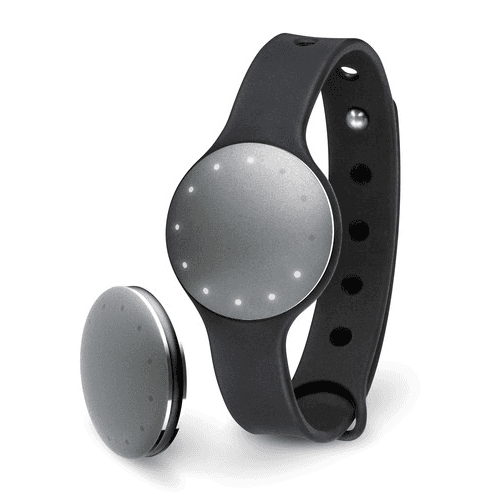
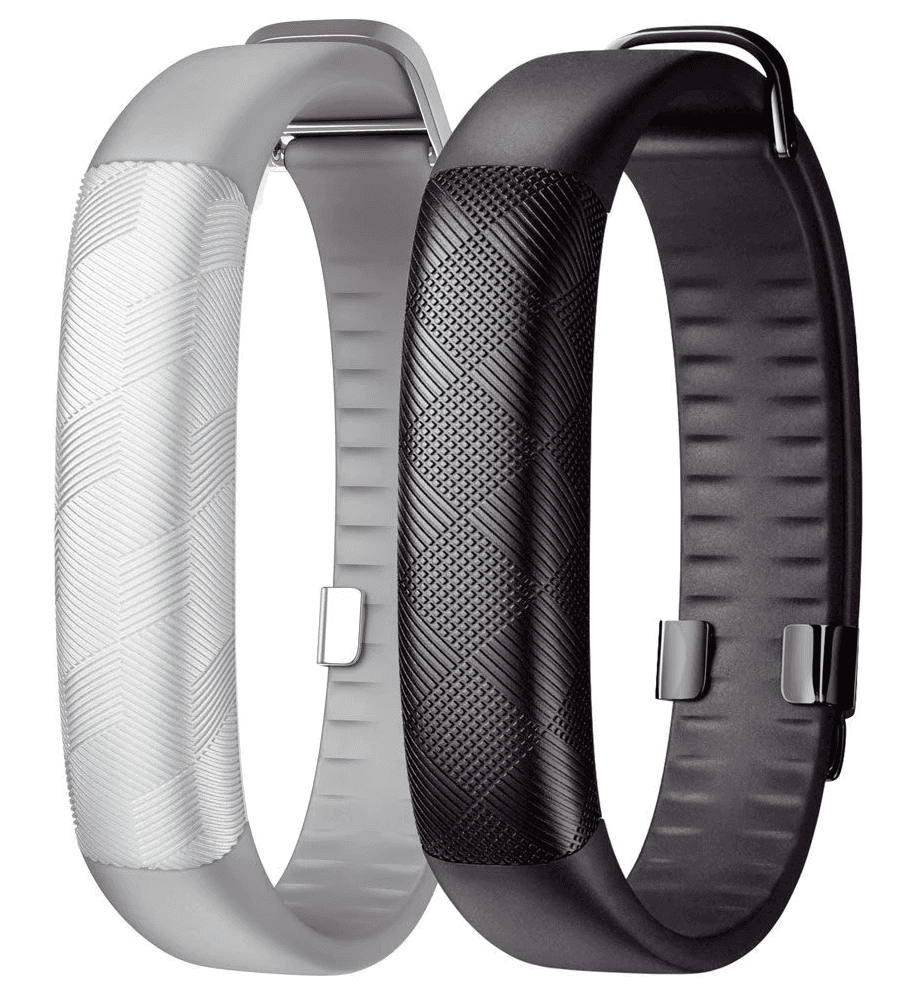
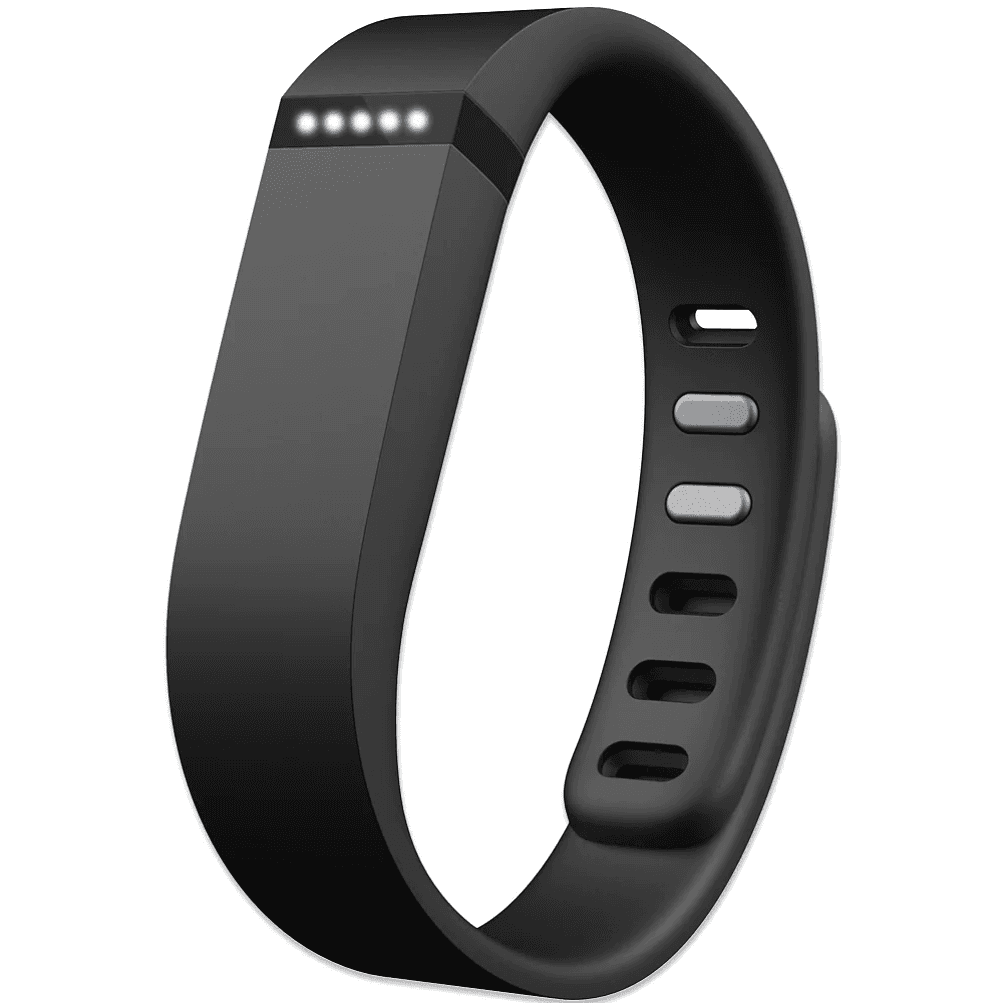
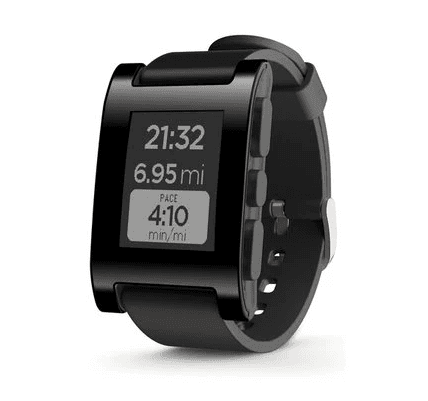
Microsoft SPOT Watch - 2004
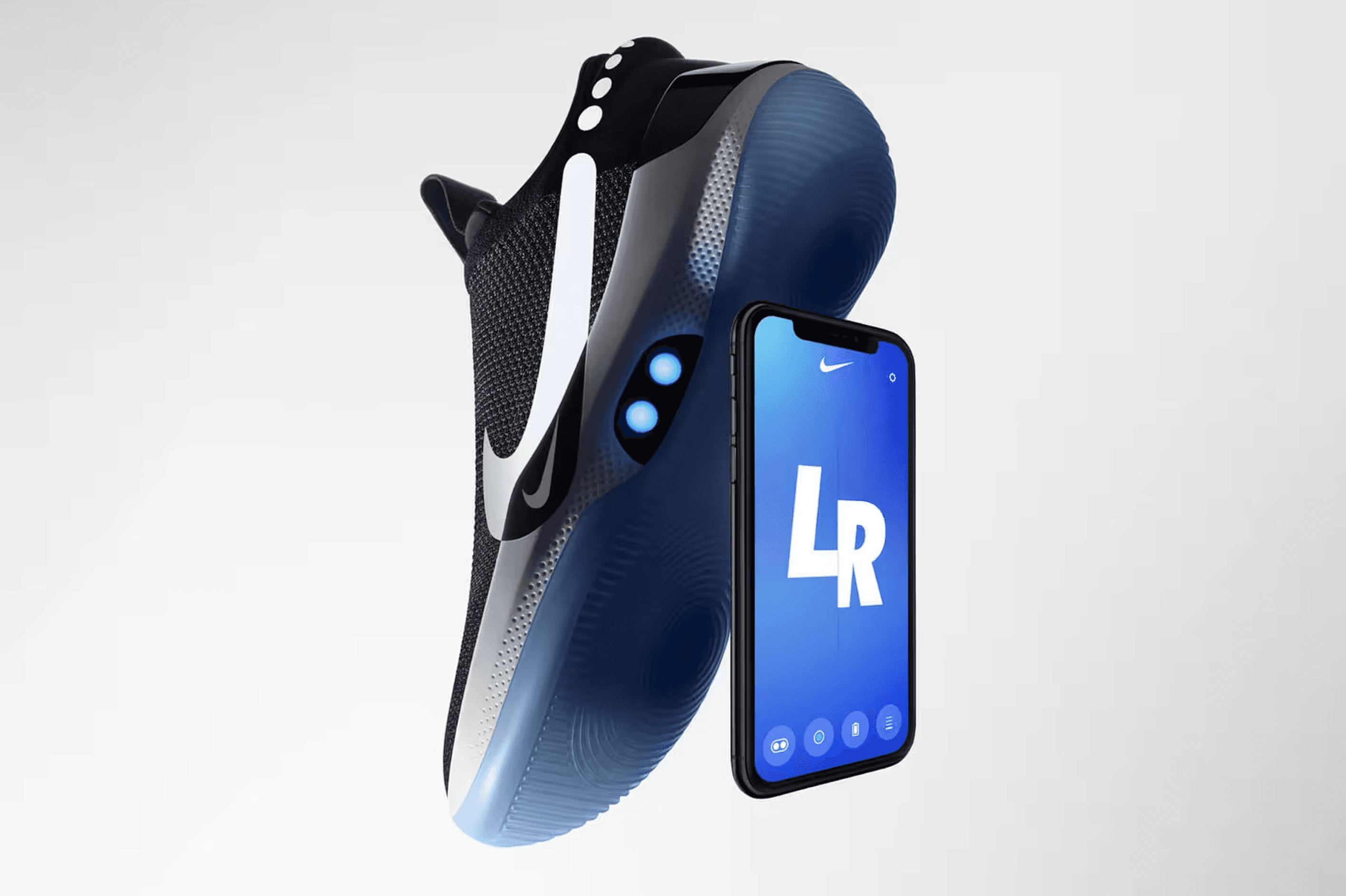
Nike+iPod - 2006
Fitbit Classic - 2009
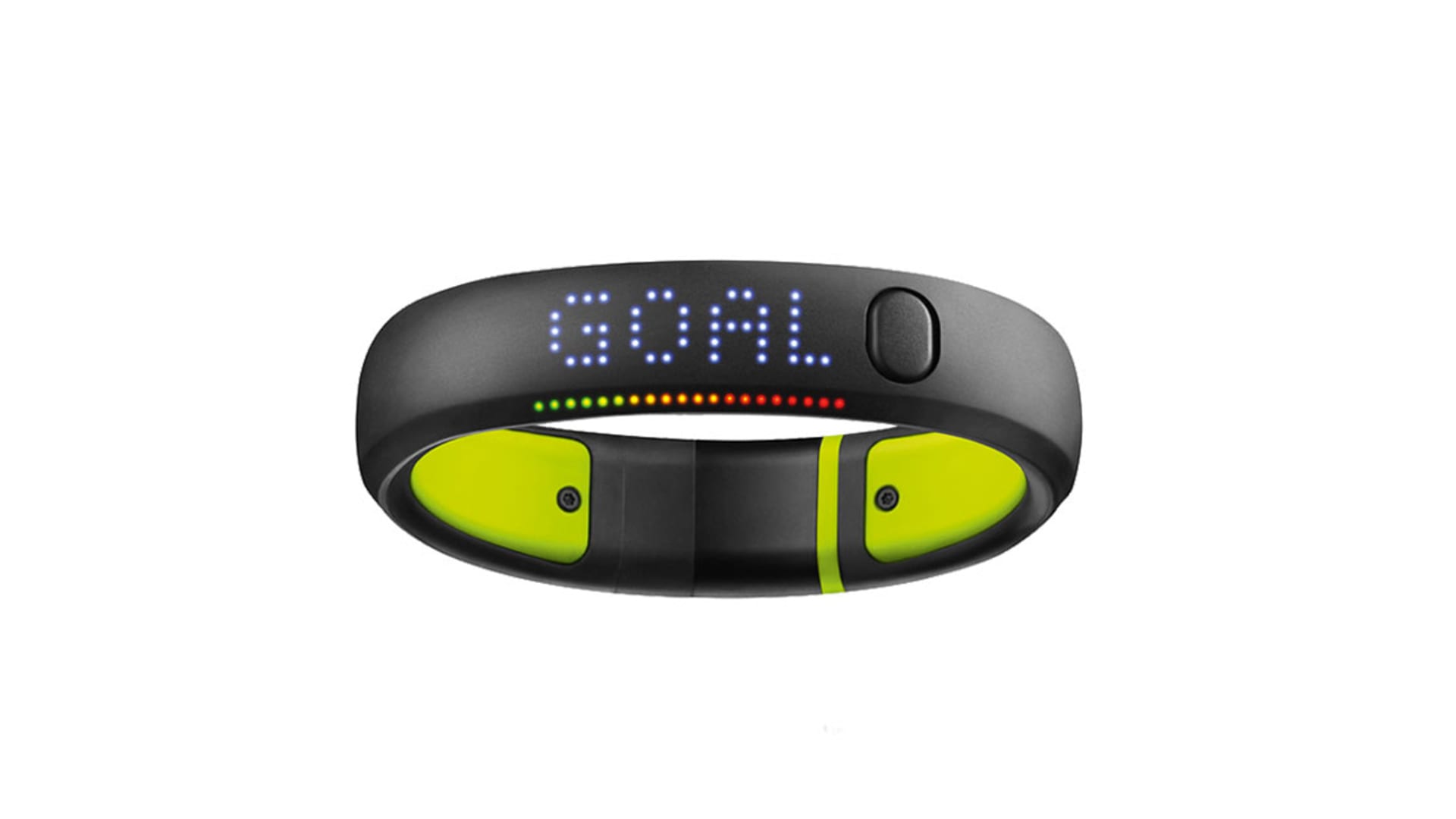
2013
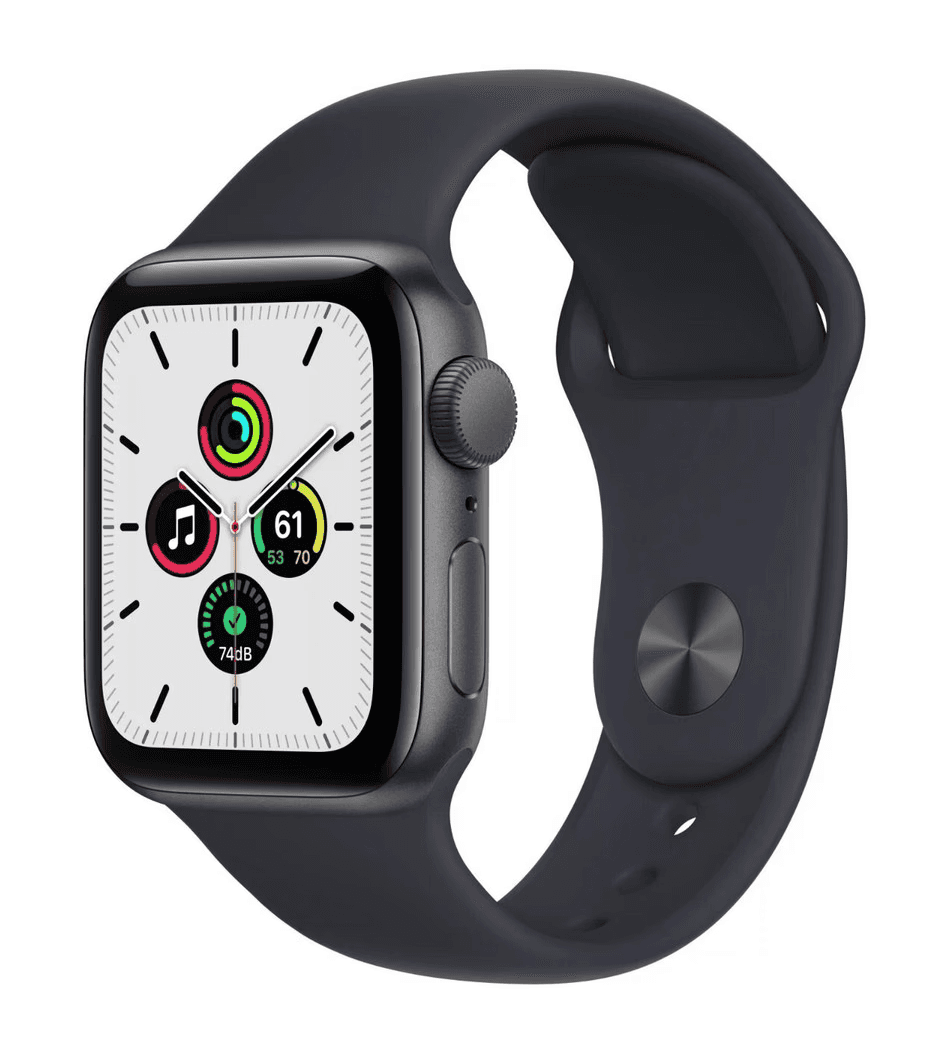
2015 - Apple Watch
Oura Ring
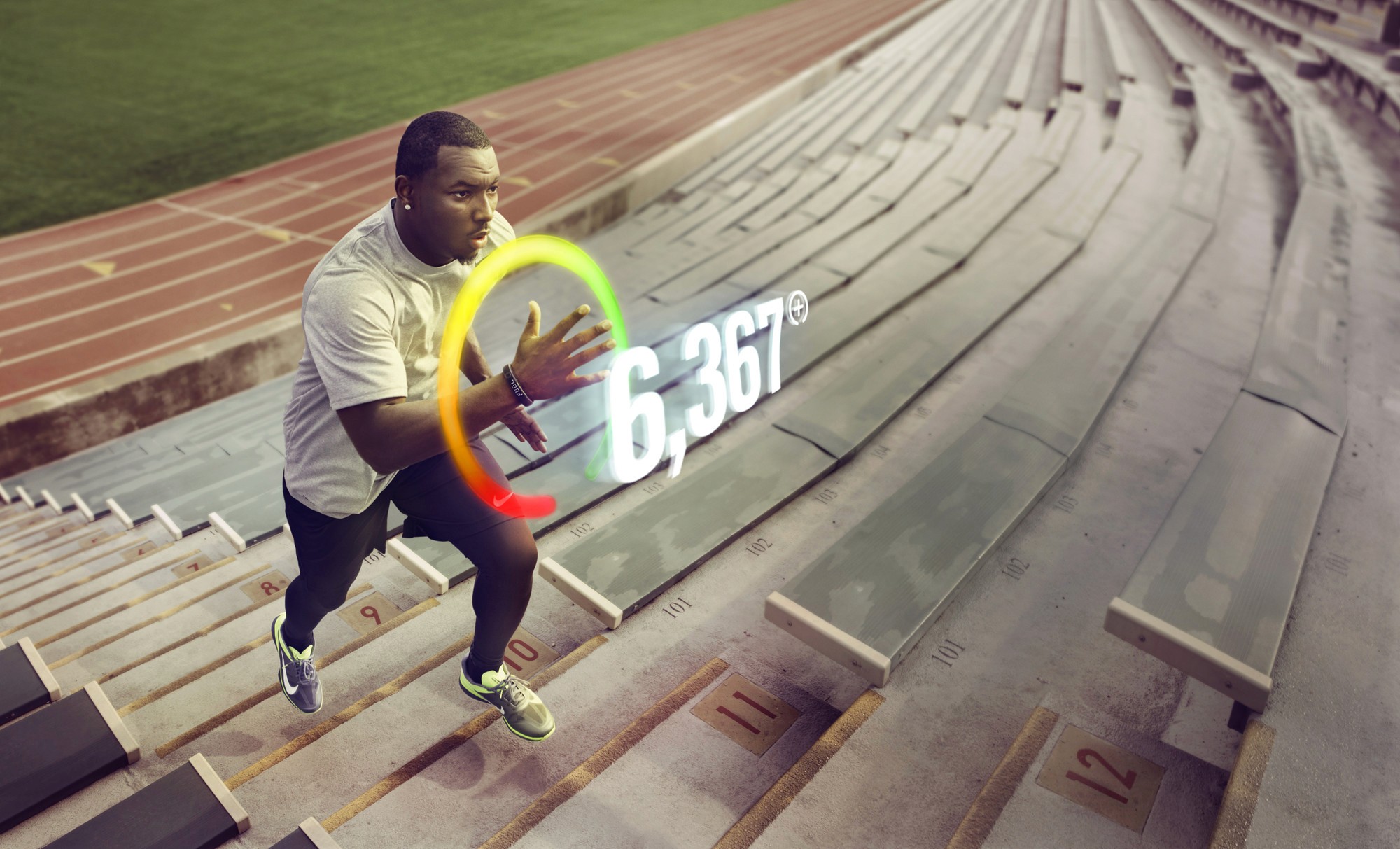
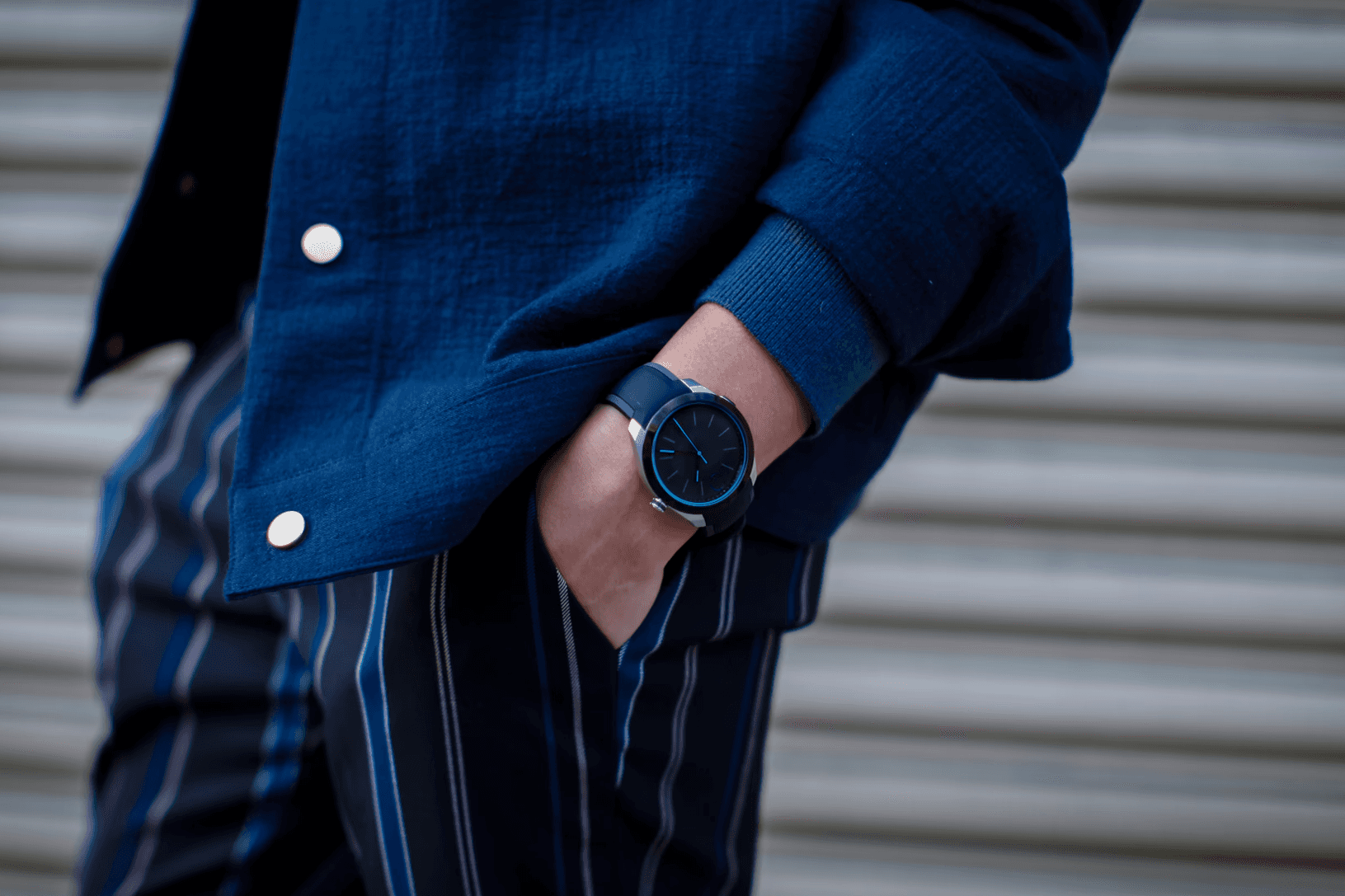
The state of wearable technology between 2010-2013 was fixated on activity tracking. At the time of development, the wearable landscape was filled with trackers that were primarily masculine in approach, colors, materials, and finishes. Devices like Fitbit and others catered to early adopters and technology enthusiasts looking for a Quantified Self.
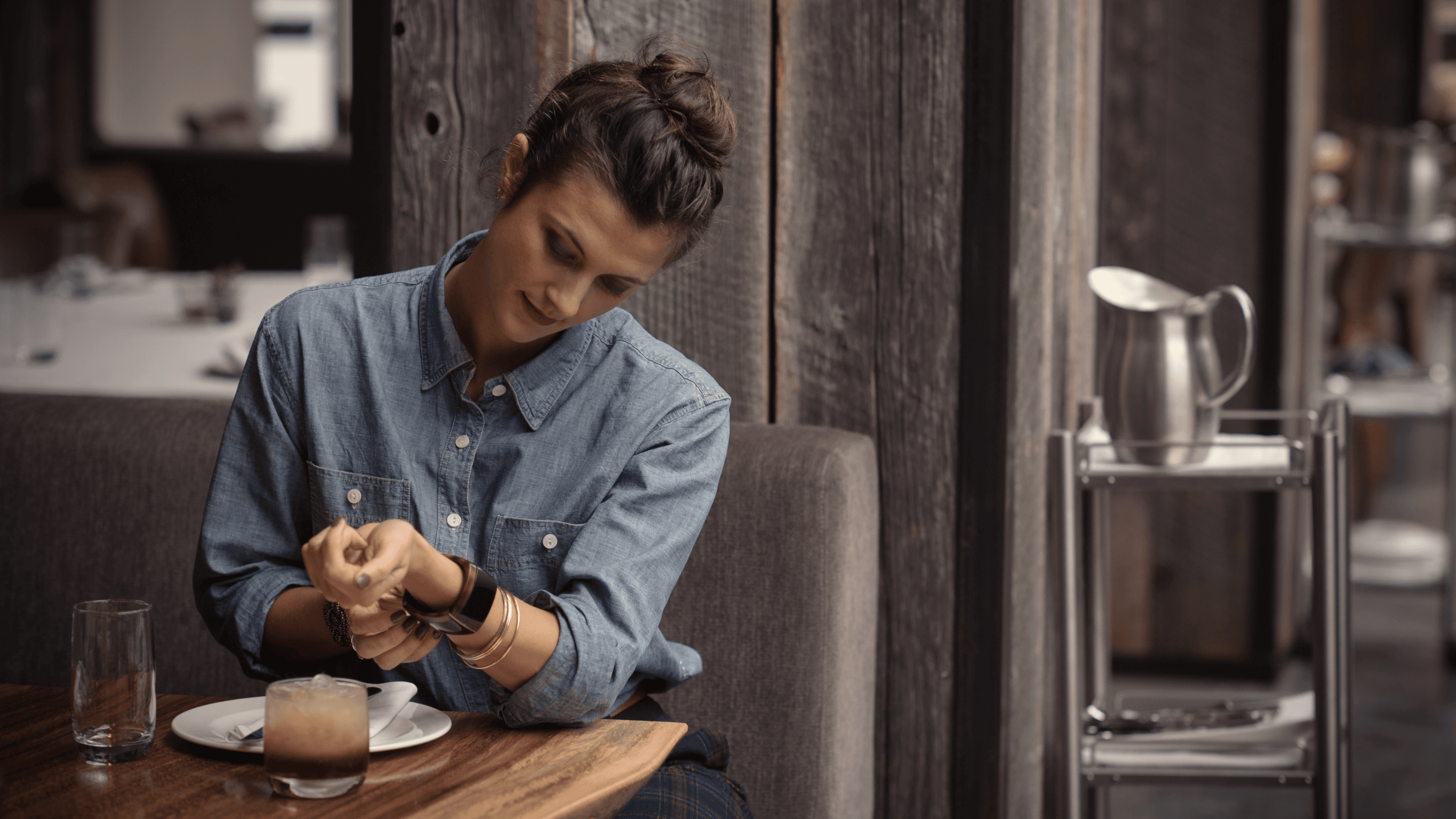
What about people who were looking to live untethered from their phone? The ones who equally value style and functionality? What about something that could be styled up or down depending on the time of day?
What about her?
Before the release the of Oura Ring and Apple Watch in 2015, the market lacked a product that blended fashion with connectivity. Other than the short lived Google Glass, there was nothing to stay connected, coordinate with friends on-the-go, and save and share moments without being tethered to your phone.
Enter Intel’s New Business Initiative (NBI) group. Recognizing this gap in the market, Intel sought to create a hyper-focused smart bracelet that was equal parts style and intelligence. The feature set was centered around maintaining her lifestyle and new ways to stay connected while on-the-go.
Balancing being ‘Always on’
By 2013 the cost of convenience was starting to become apparent. Being ‘always on’ thanks to Twitter, Instagram, Email, and SMS meant that people were overwhelmed with notifications (ping).
The benefit of connectivity was now eroding people's ability to be present offline. A unique opportunity existed to create a stylish, context-aware wearable that surfaces only what matters most, and bring balance back to our overly connected lives.
To refine the feature set, we developed a series of week-long design sprints to explore and validate with prospective customers (7 sprints total, 28 participants).
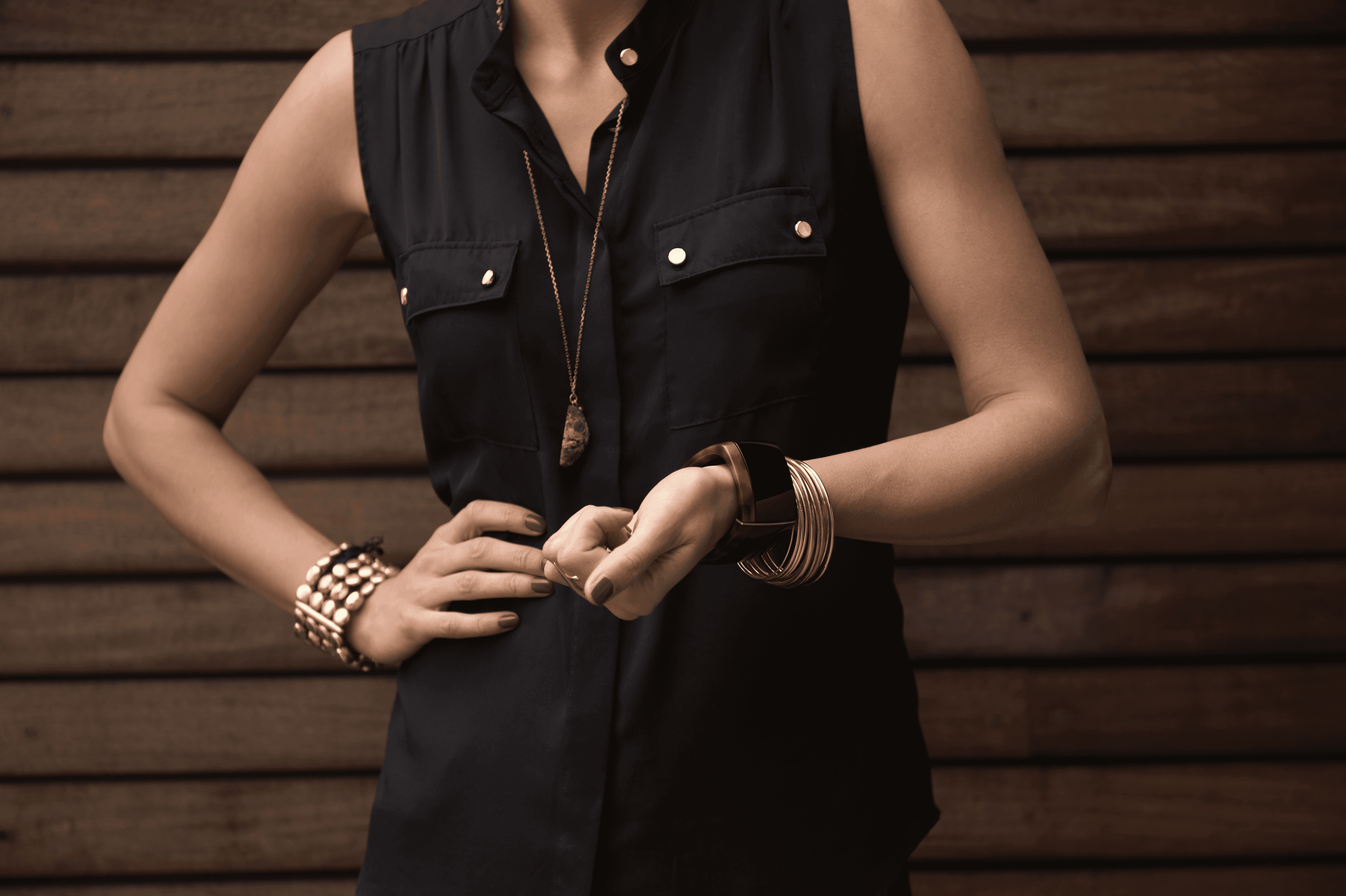
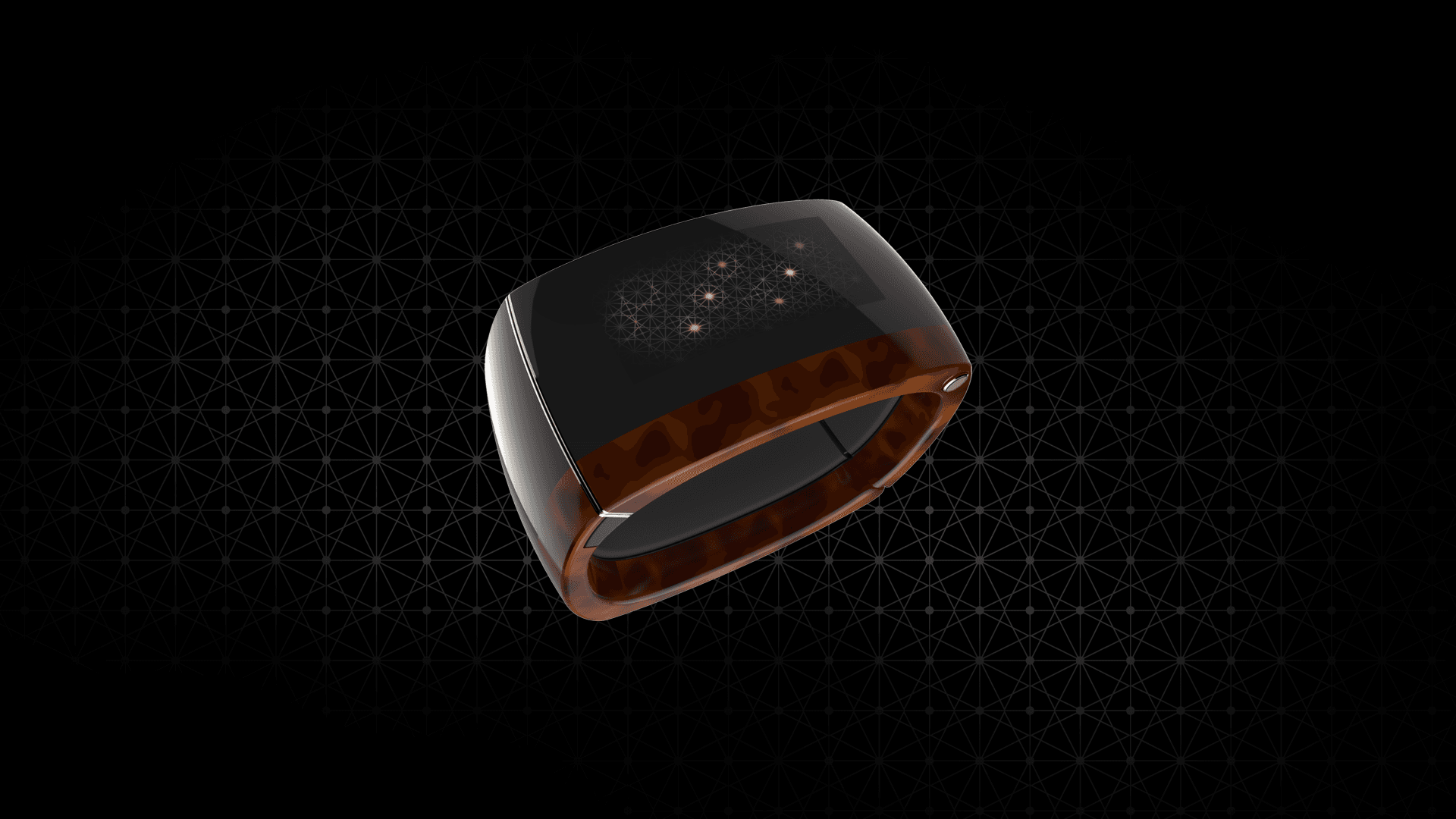
Expressive Outside —Unique patterns indicate urgency and origin of messages. The outside (public-facing) display shows incoming notifications in a way only meaningful to her. Who, not what, and the relationship to sender prioritizes what gets seen and what can wait for later. A subtle turn of the wrist switches on the inside, horizontal display to view more.
Notifications: Inner Circles Messages, Event Invites, Reminders, Missed Calls
Sophisticated. Curated. Discreet.
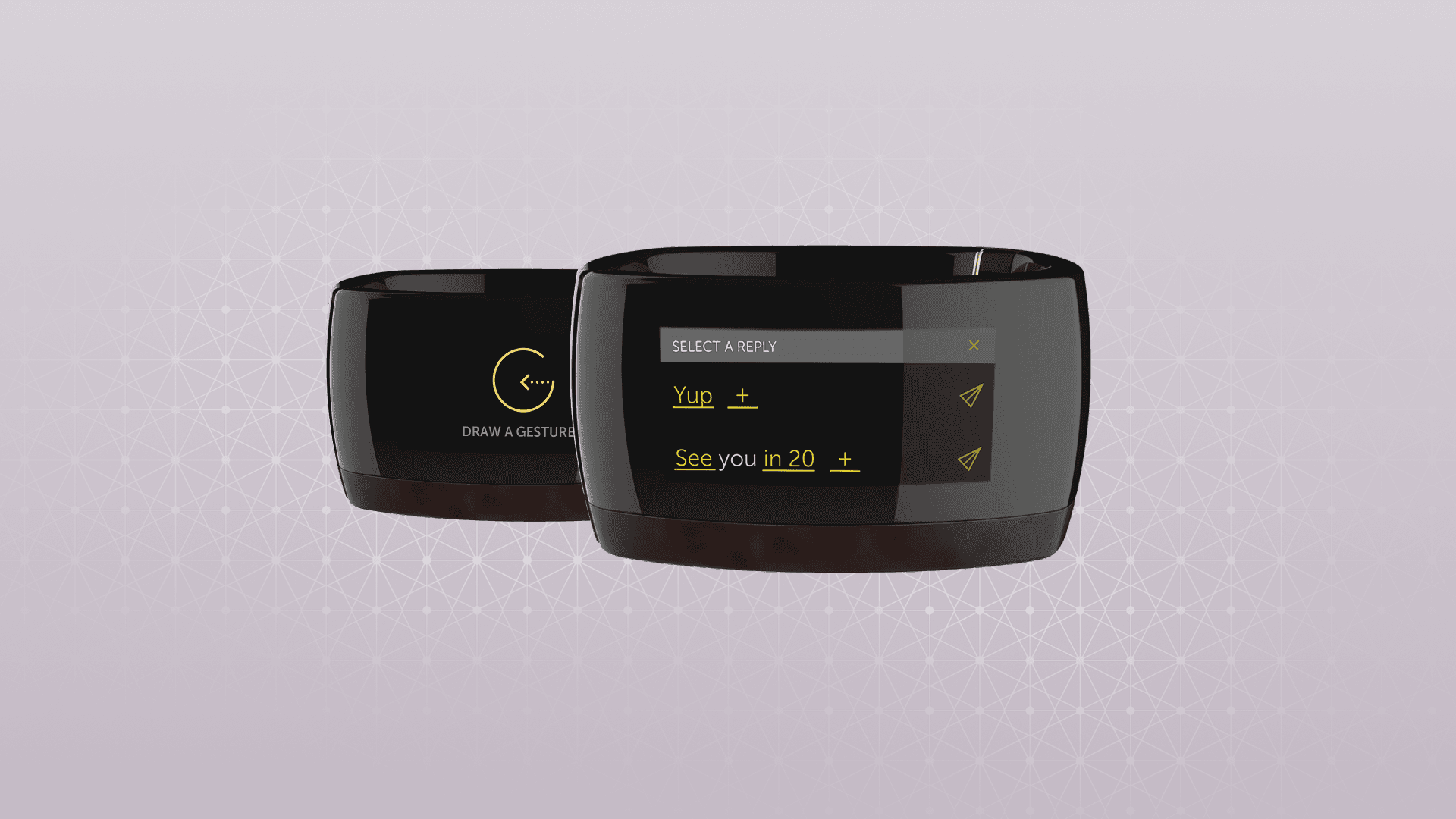
Informative Inside —She sees content first with the latest notification on display. Unique reply and remind features allow her to swiftly take care of most important messages and get back to life. It also offers location-based features (pins, friends nearby), memos, and customization options.
Key Features: SMS, Email, Phone Calls, Calendar, Reminders, Smart Responses, Voice Reply, and Gesture Library for quick actions
Predictive. Responsive. Delightful.
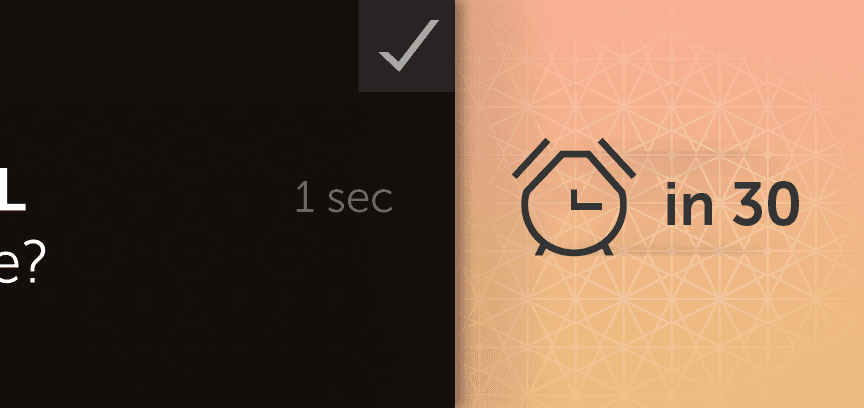
Take control of your messages with smart snooze. Slide any notification to set a reminder to reply later. How much later is up to you.
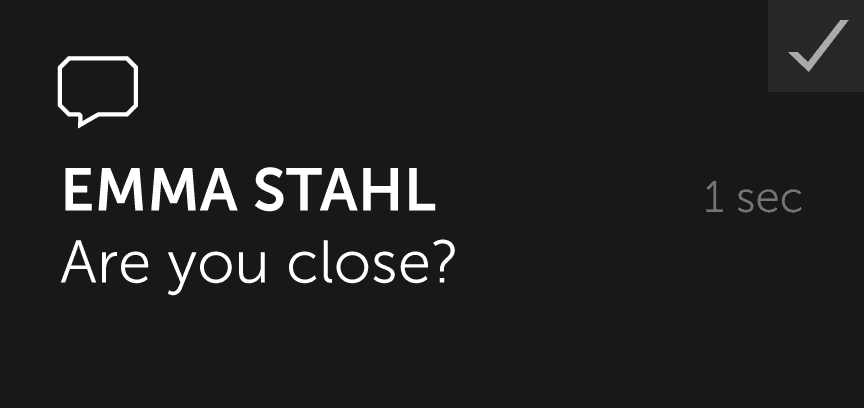
Use voice recordings to respond to messages quickly. It’s quicker than typing and allows you to share all the details.
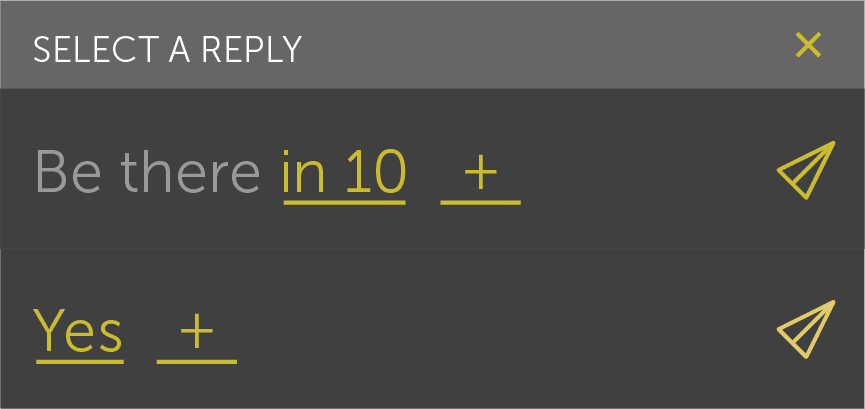
Smart response™ adapts to any situation so you can reply quickly to messages while on the go.

Change the color and theme to match any outfit so you are ready for every occasion.
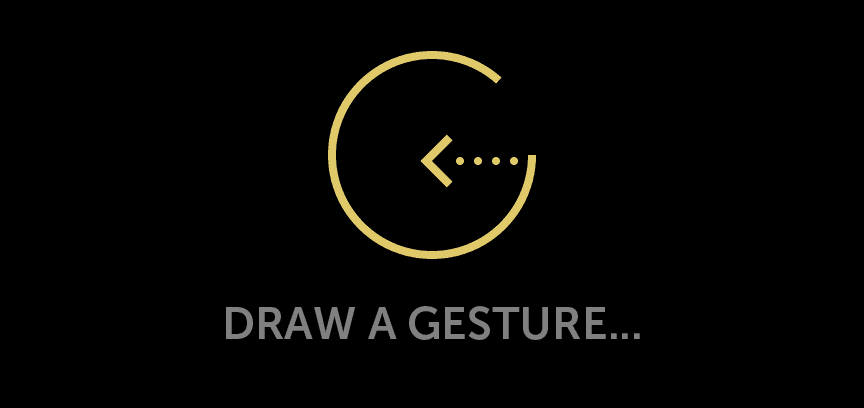
The best gestures are the ones you don’t have to think about. An intuitive gesture library let’s you do more with less. Pin a location, Check in, Create a voice memo, or Create a color match.


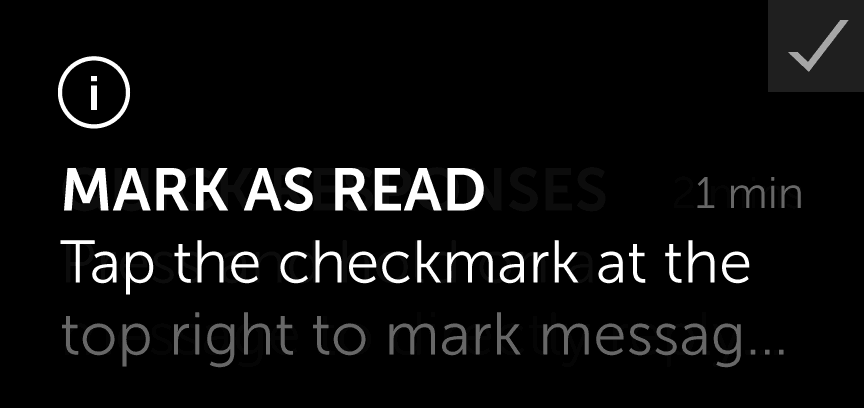

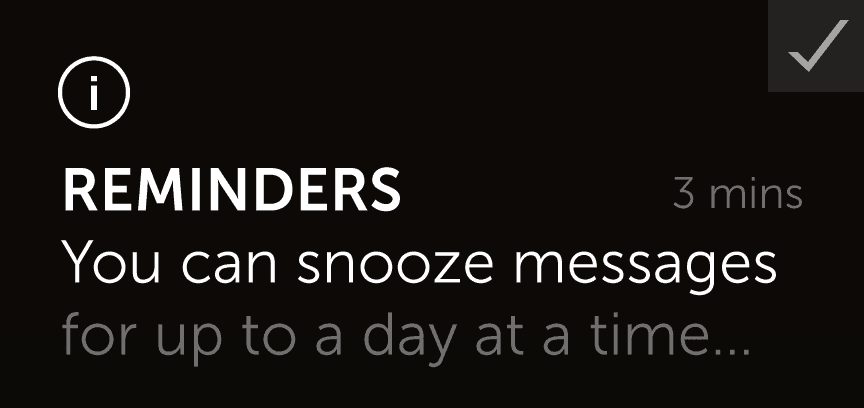
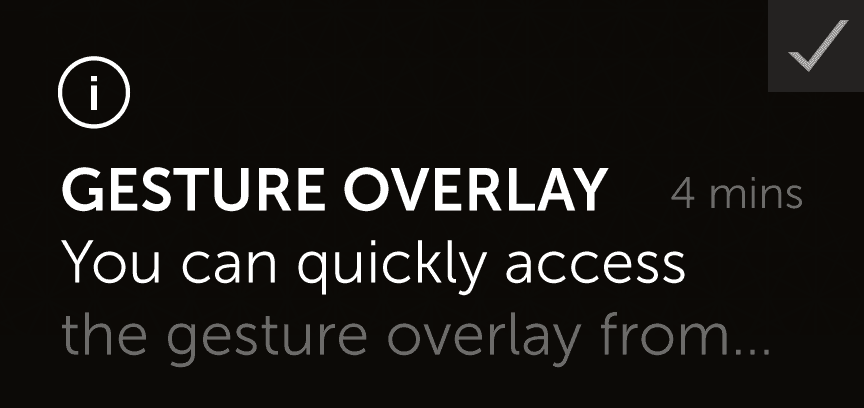
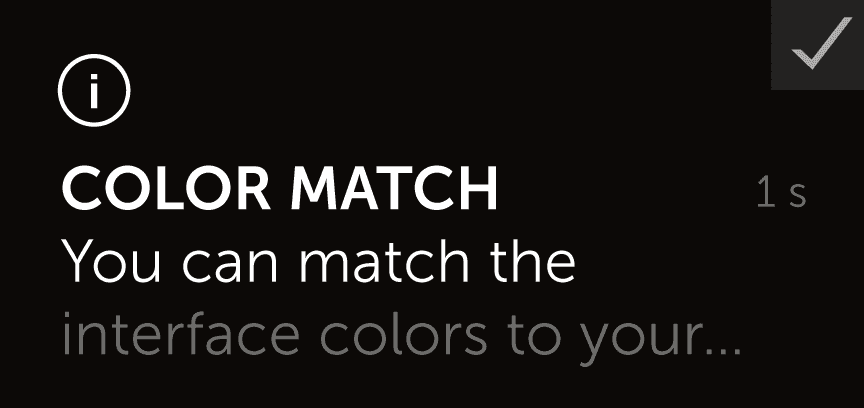
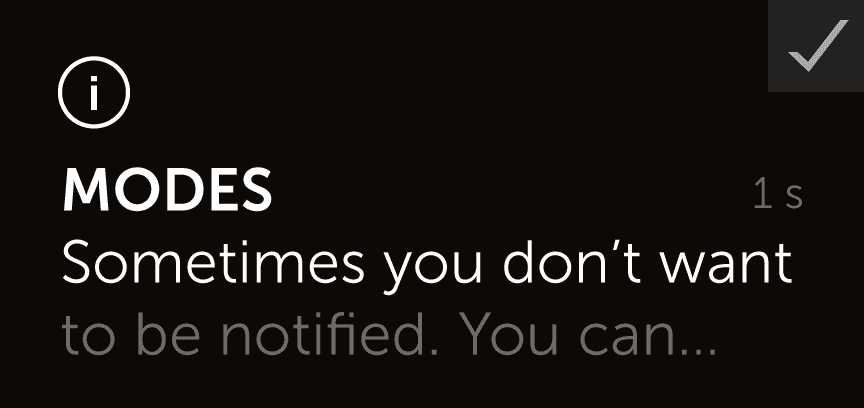
Simple on-device tutorials let you learn as you move around and get used to your new MICA. Tap, swipe left, swipe right, or use gestures to unlock more features.
Multiple displays for public and private communication demanded a new interaction model packed with motion design and gestures to lower the learning curve and feel like a natural evolution (not tech for tech's sake).
Introducing physical gestures, like turning the wrist to view, shaking to enable 'Do not disturb,' and abstracting the top notifications to visualizations, rather than typographic information, helped each display have a more defined role in the overall experience. Based on our recommendations, the top display was later removed to reduce cost and save battery life for the final launch at NY Fashion Week.
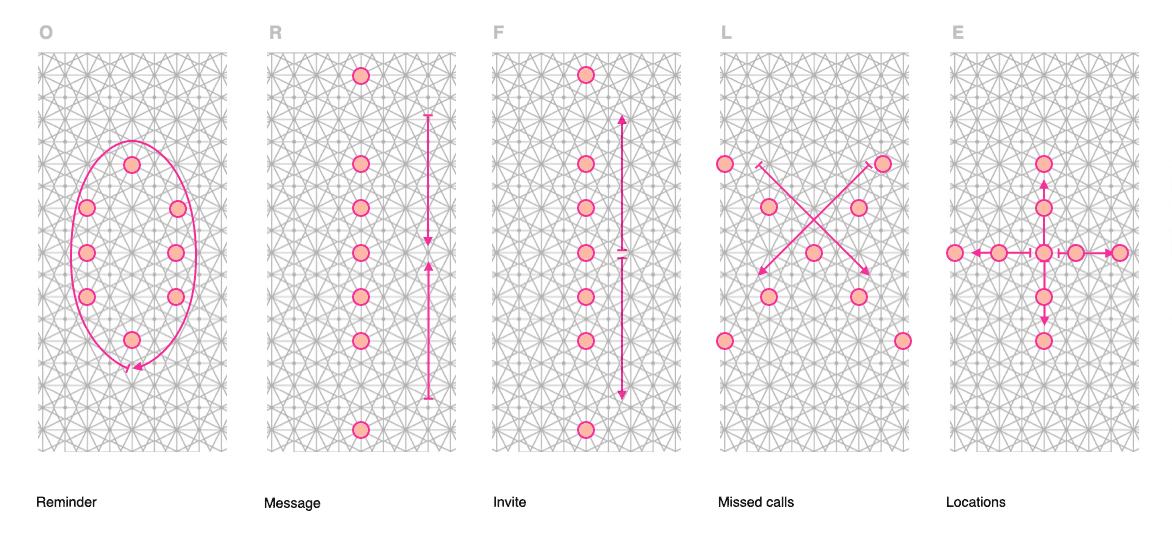
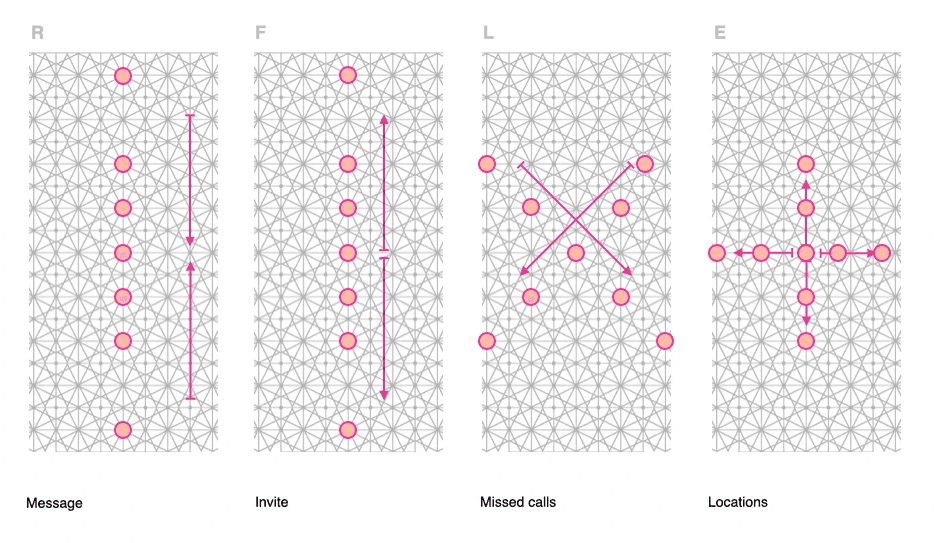
The outside, or top, display was intended to discretely notify the wearer of important incoming messages without distracting the wearer or those around her. This was accomplished through modes (do not disturb), settings to turn the display off and haptics on, and designing a library of signature expressions to map to different notification types. For example, a missed call displayed an "X" pattern as it subtly cascaded down the the screen.
To adapt to 216 possible Colorimeter (color match based on a photo) values that could be displayed, we needed to create a solution that did not depend on color to inform the wearer of various states and notification types. To do so, we used co-design with prospective customers to develop unique patterns for each type of notification (SMS from inner circle, event reminder, or emails from your boss, etc.).
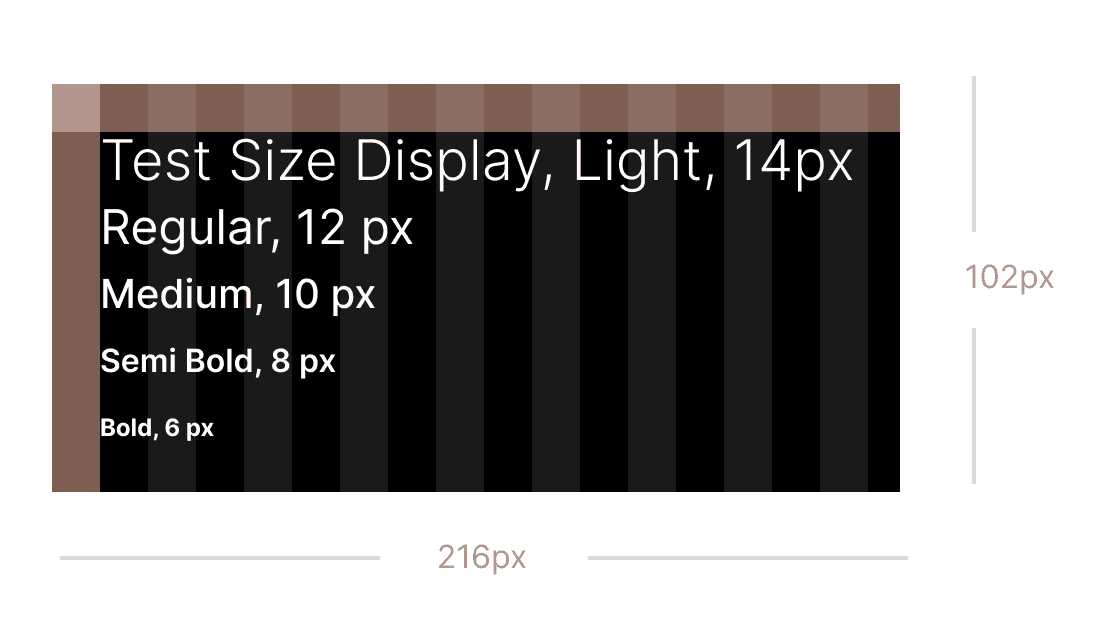
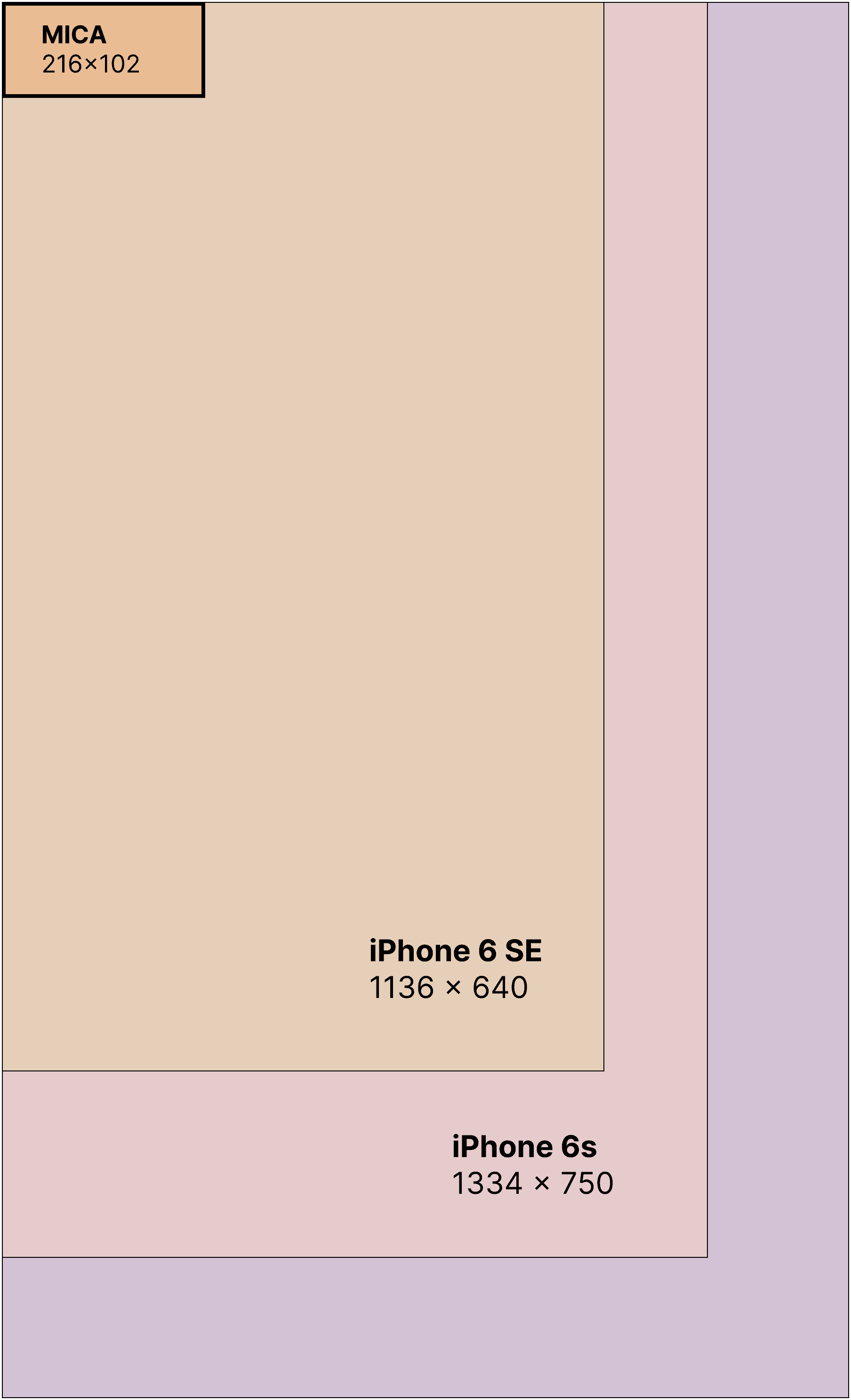
The bracelet featured a 1.6 inch, curved OLED display. At the time of development, iPhones on the market were up to 10x larger with higher screen resolution. The overall size meant we had to get creative in how important information was displayed and accessed with the use of gestures, buttons, and hidden interactions.
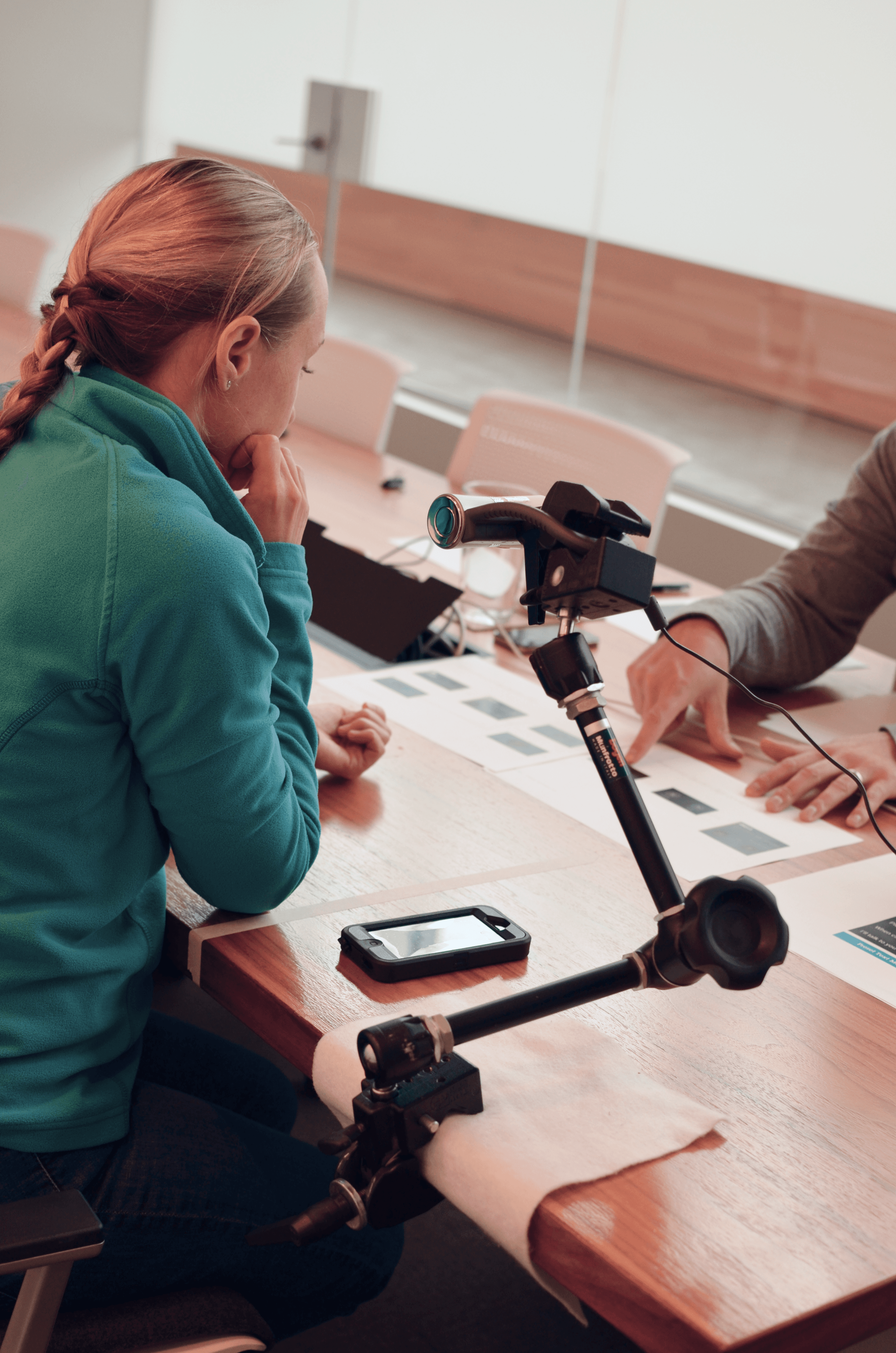
To help the team visualize layouts and patterns, we used a combination of physical print outs and simple slideshows on the actual display. These collaborations with the engineering team helped visualize interactions early and often to refine key features and flows.
1.6" Curved Sapphire Touchscreen
During the program, a brand partnership was still in the works. This meant the design had to be treated as an extensible system that could be customized later by one or multiple brands.
Design Challenges
5 days, 4 participants each week
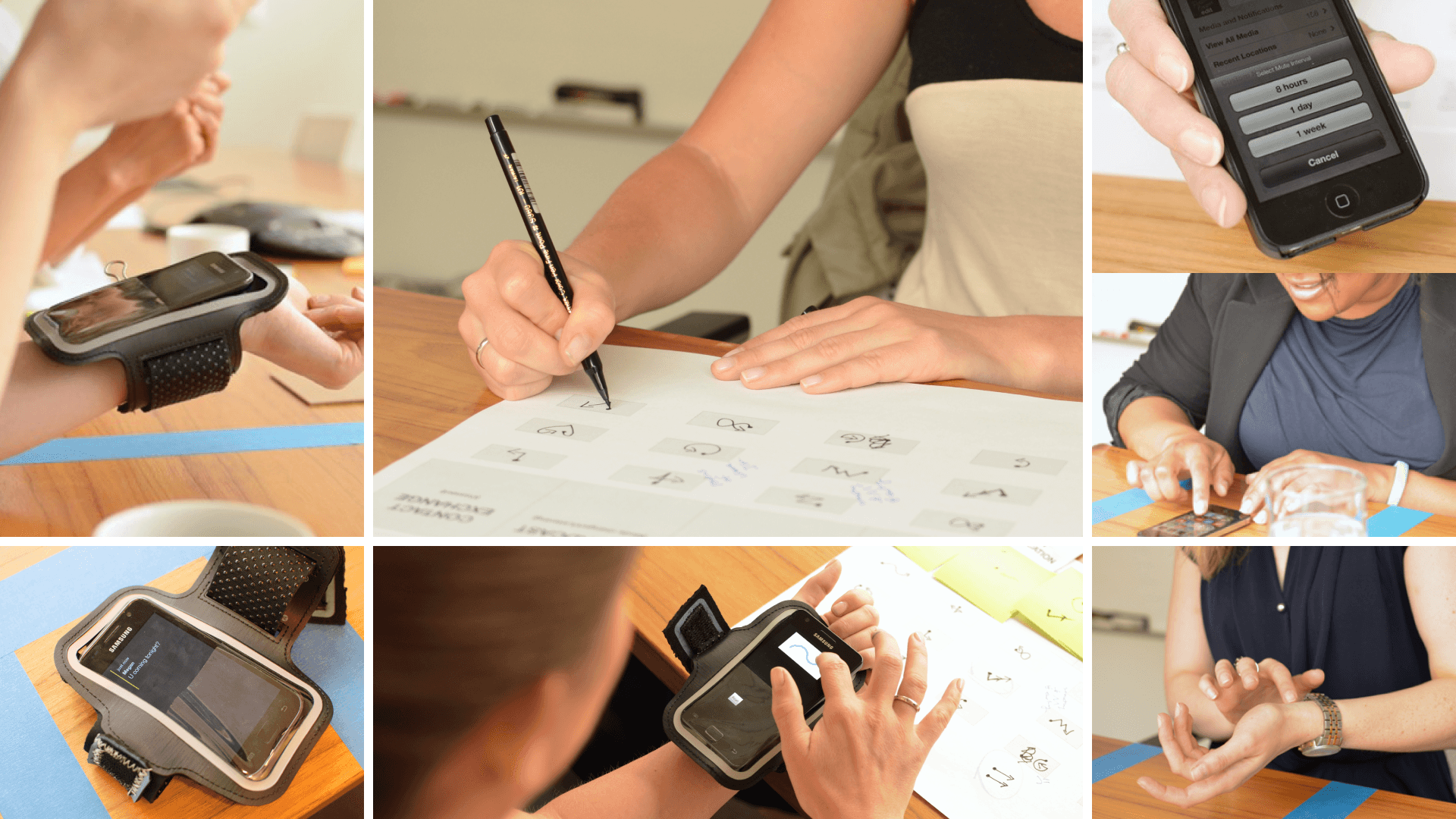
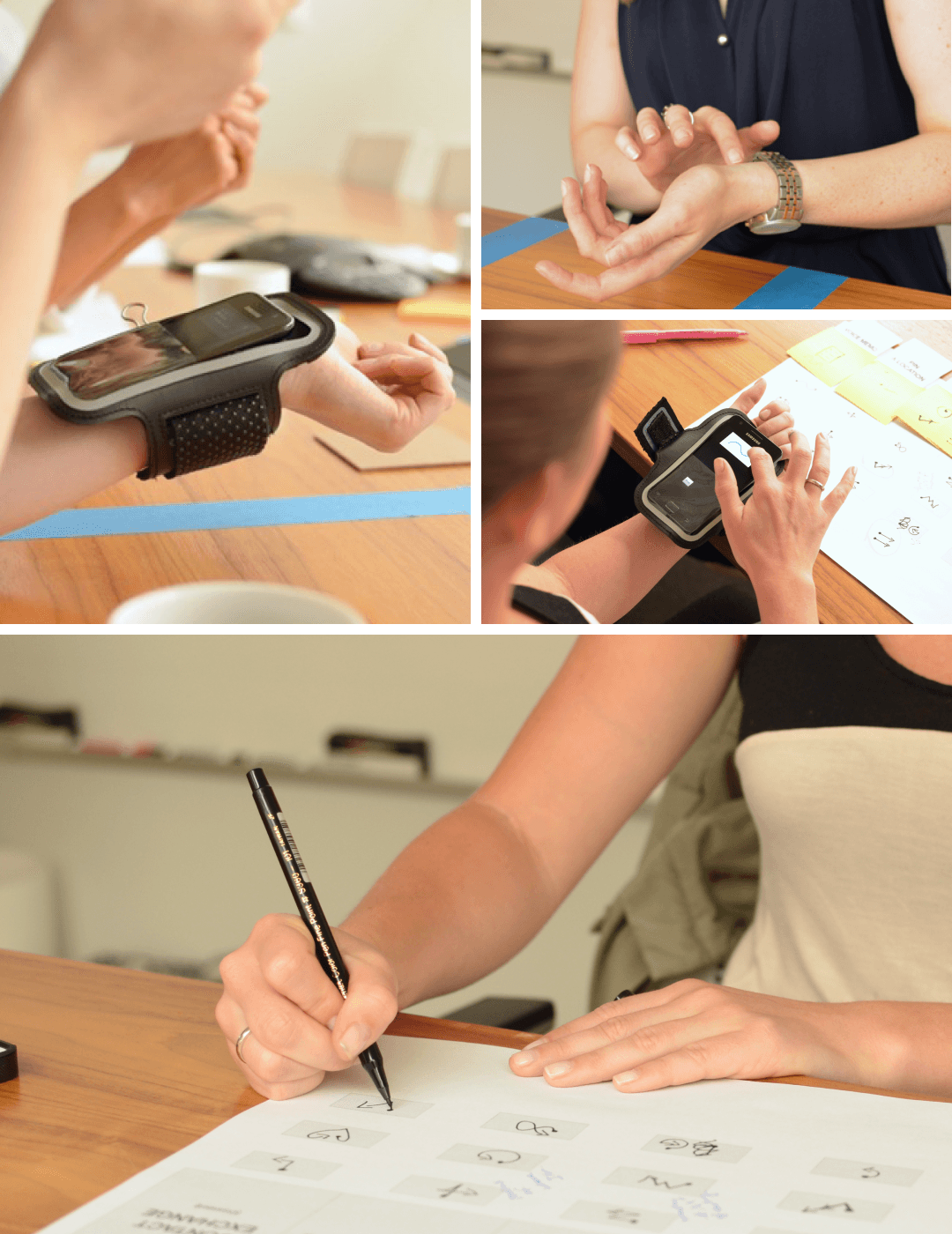
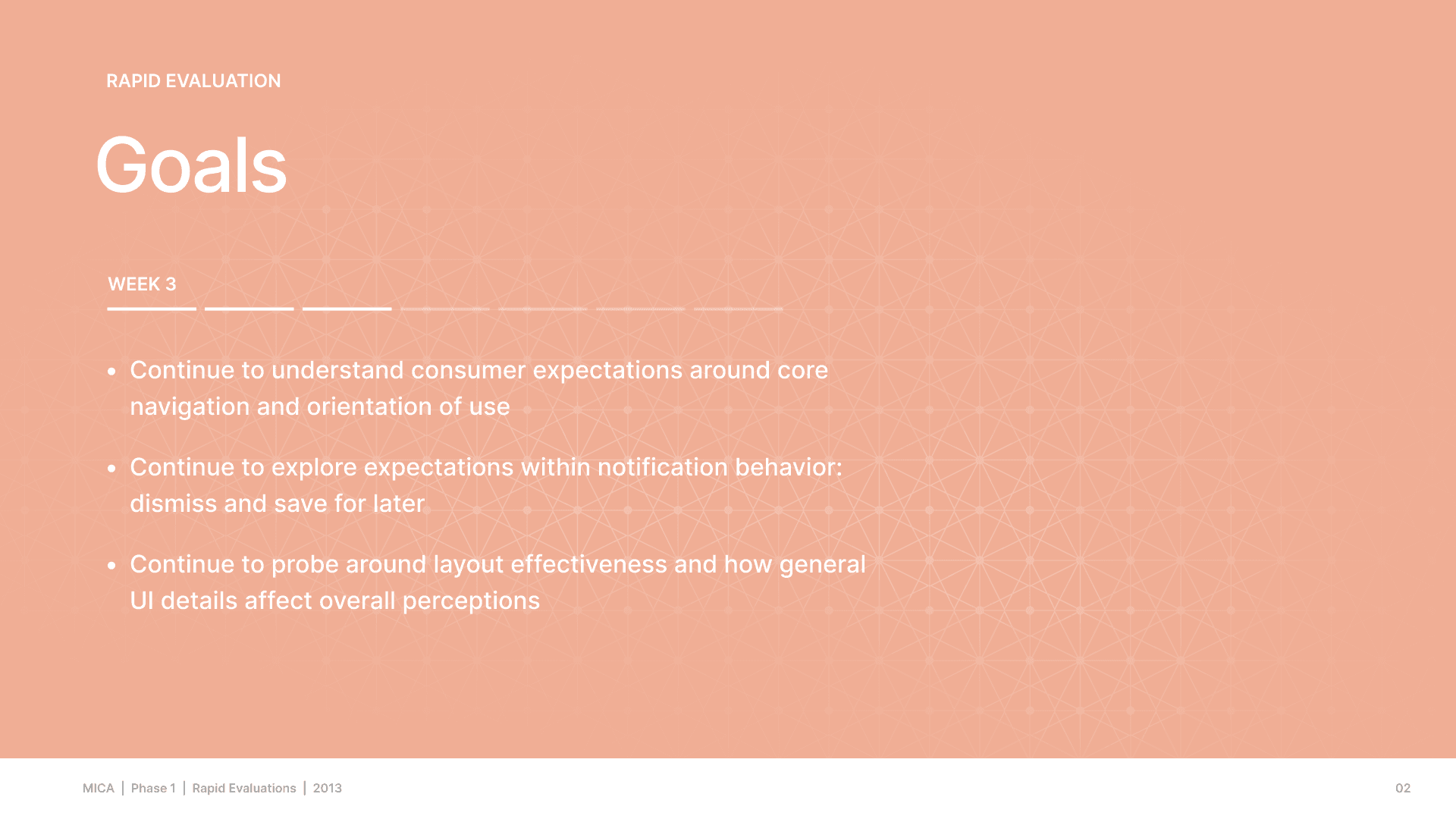
After auditing the current system and providing a gap analysis, we entered into multiple week-long cycles with 4 new participants each week to provide feedback about key features. The goal was to run generative and evaluative qualitative research on key features that have perceived high consumer value and high effort to build.
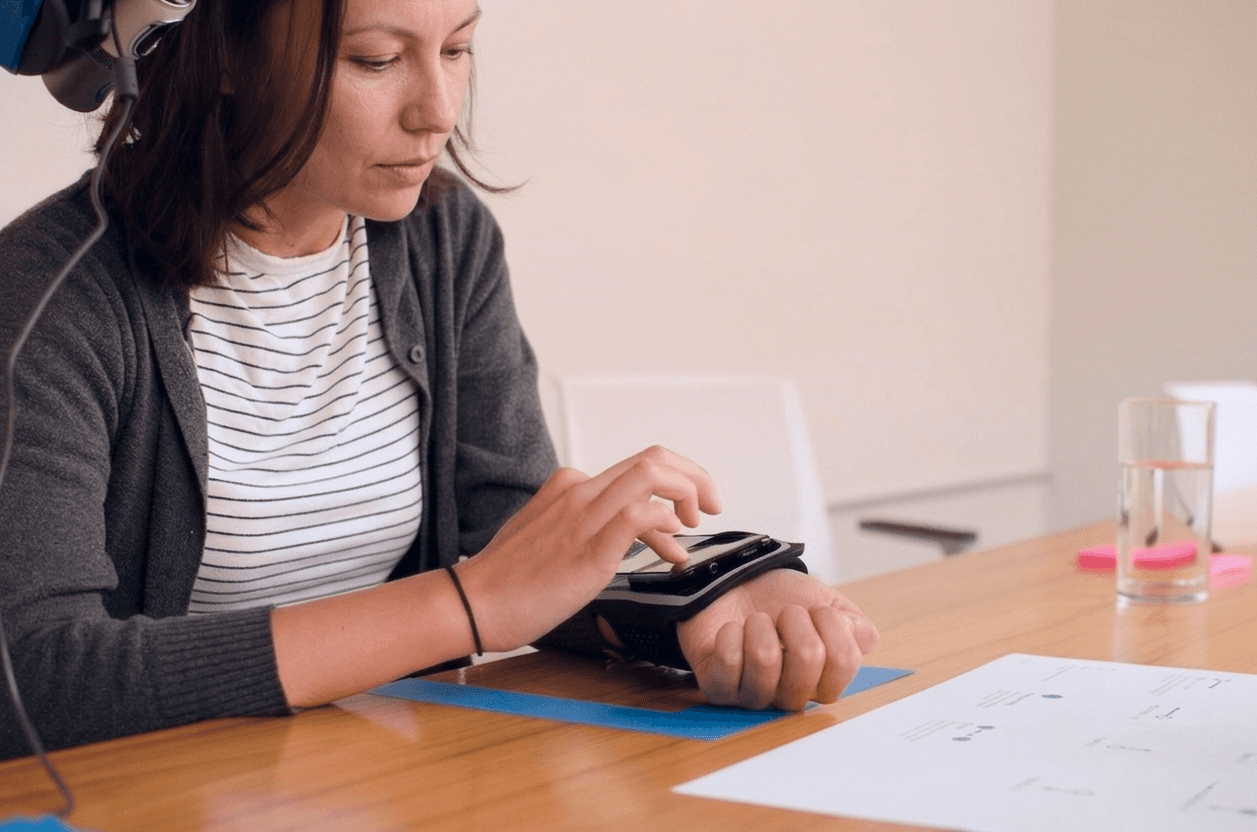

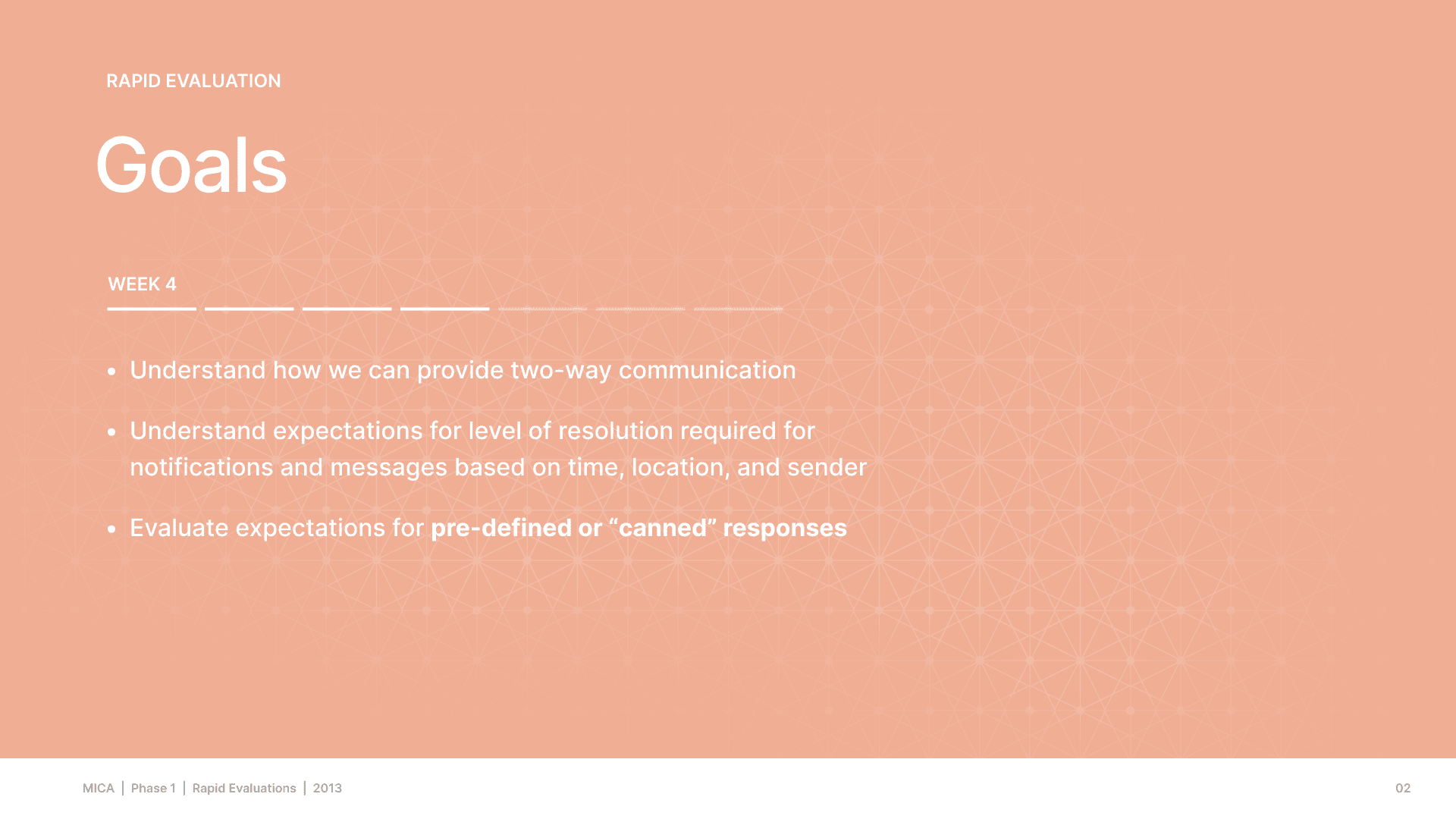
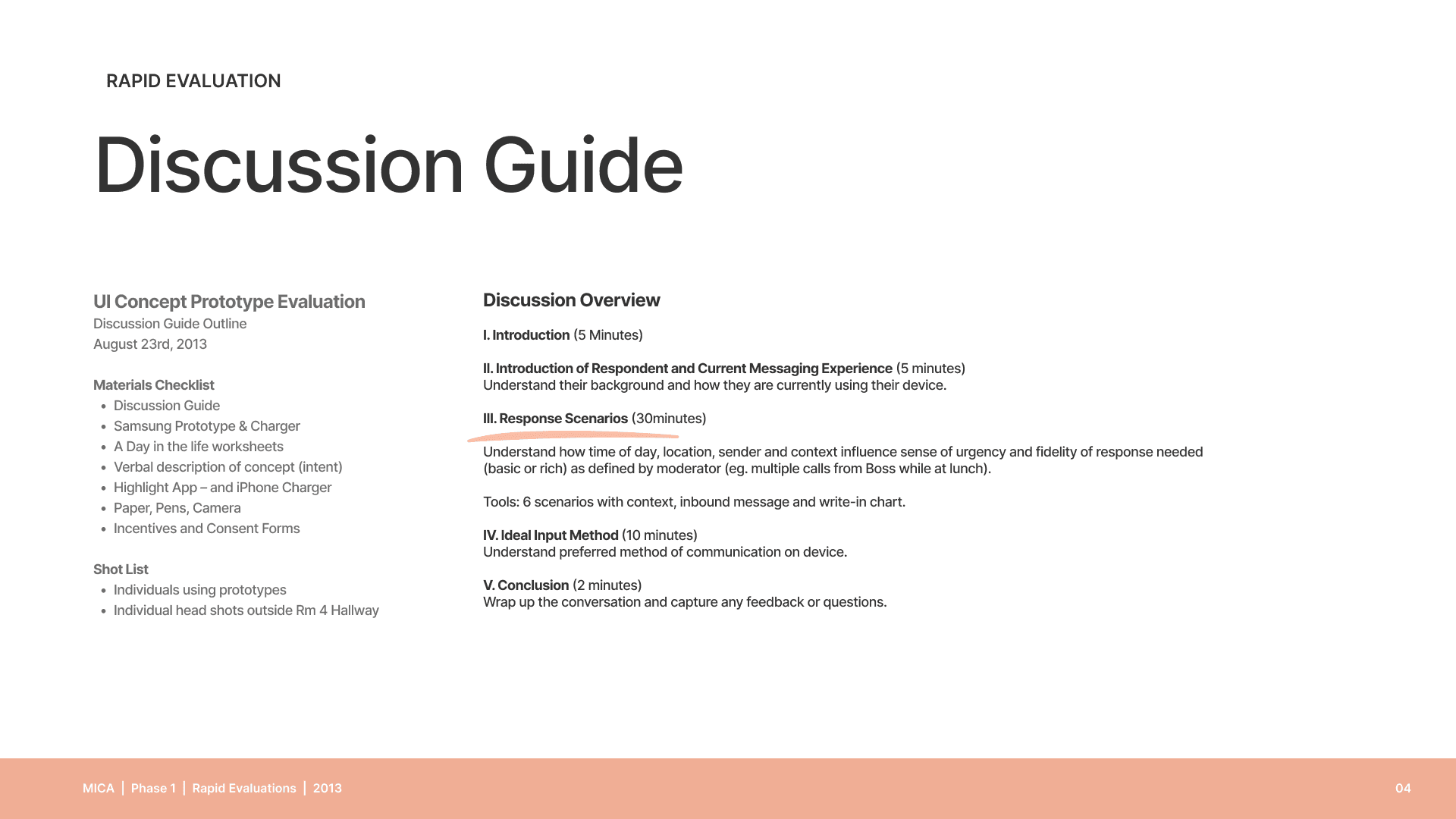
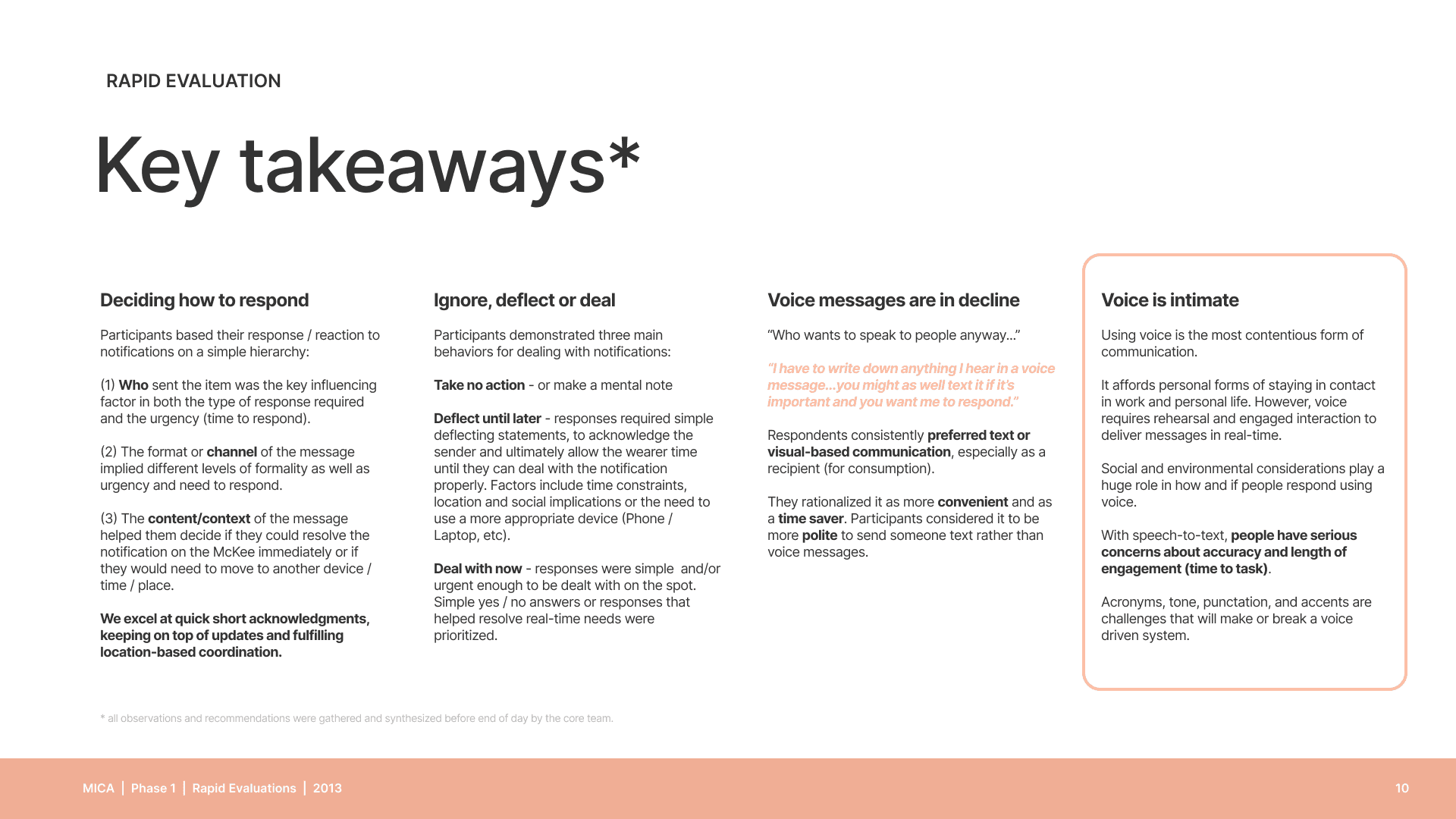
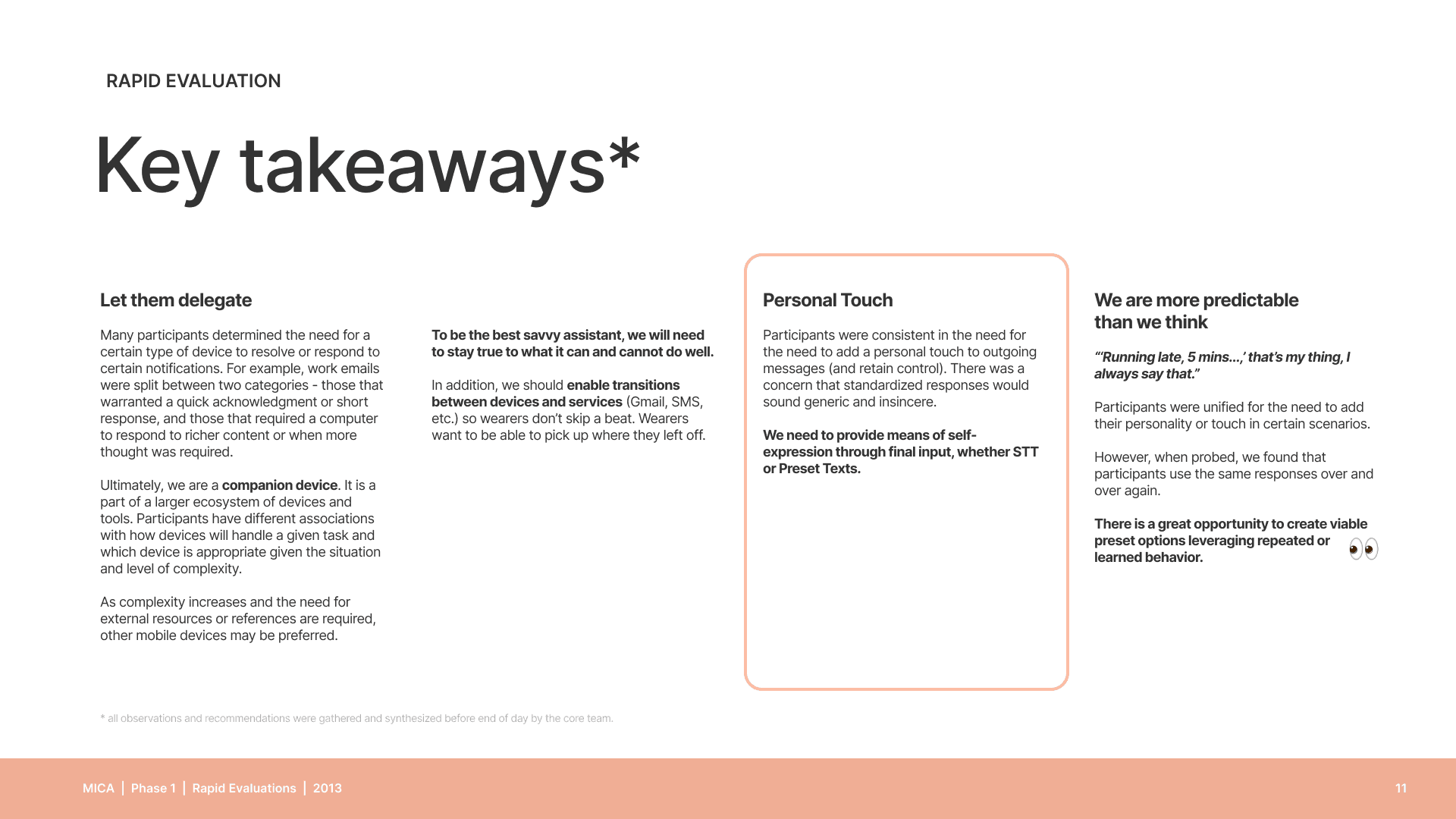
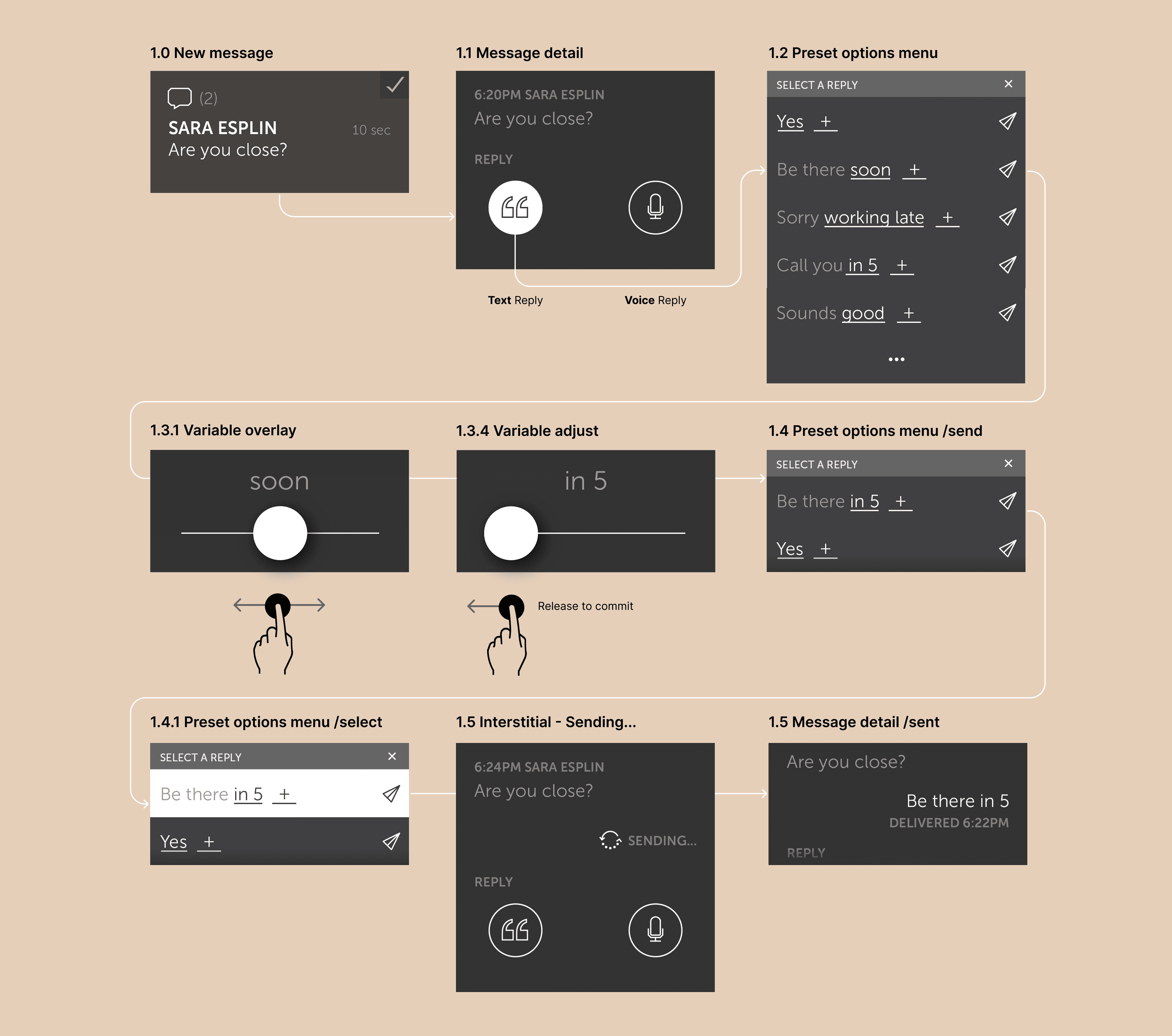
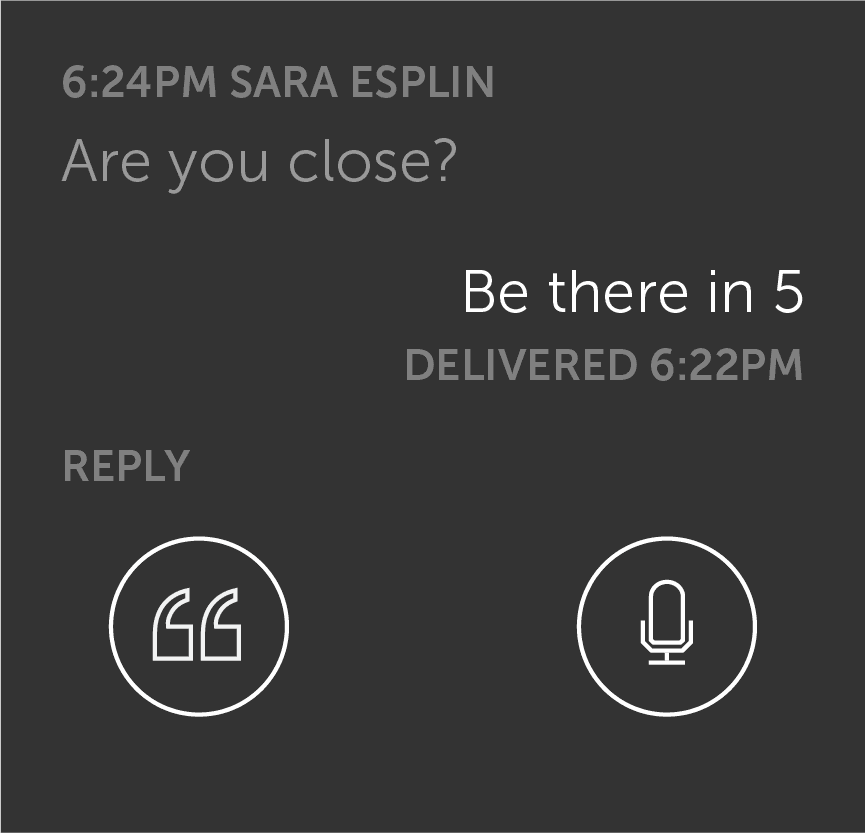
The ability to quickly respond to messages was crucial for participants. Limiting to one-way communication would ultimately drive wearers to dig out their phone to respond. Limitations in screen size ruled out the use of any on-screen keyboard.
Voice recordings were already included in the feature set. However, research participants expressed a disinterest in receiving (inconvenient) and recording voice memos in public (ambient noise, privacy).
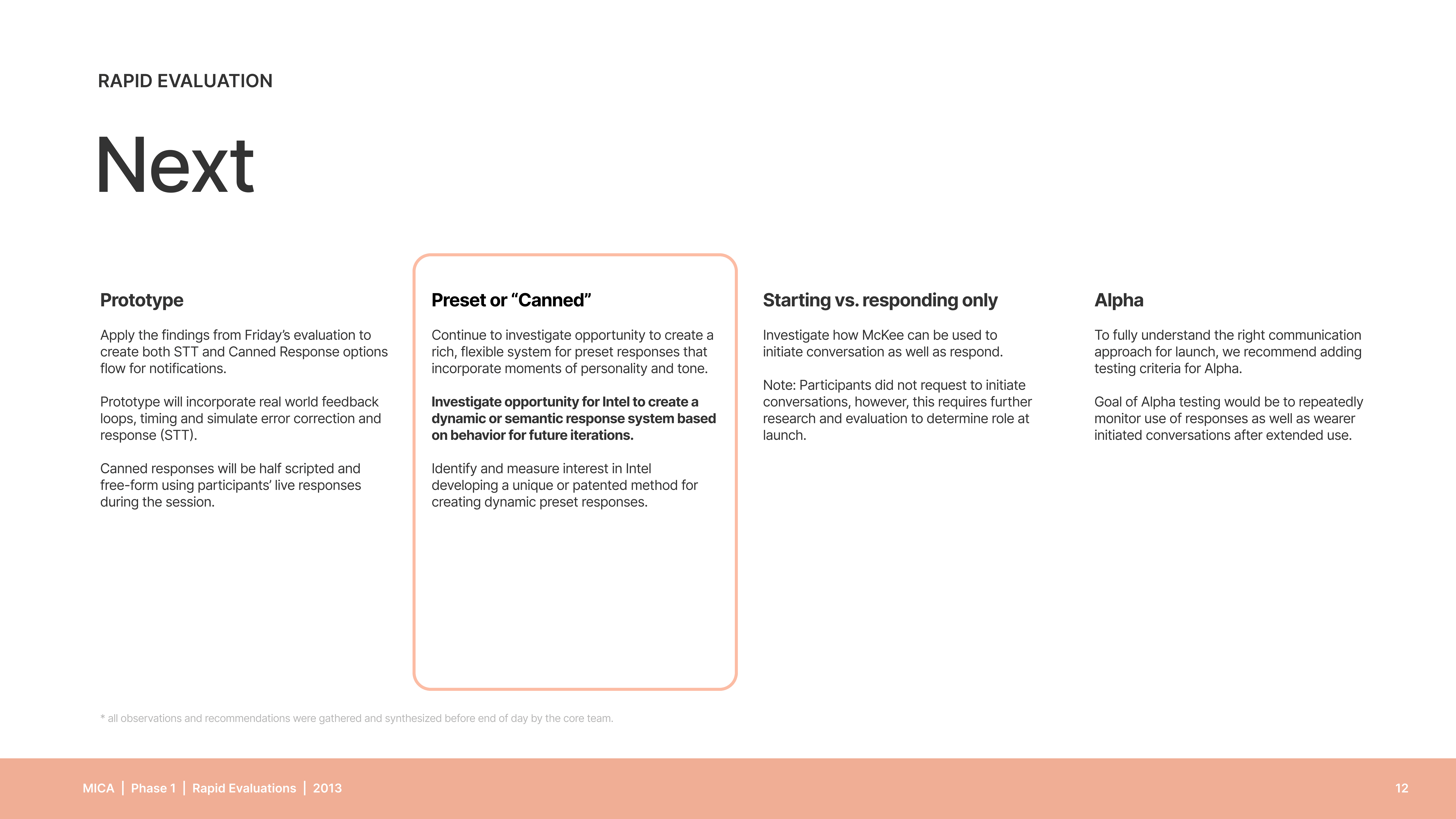
We explored the idea to create predictive phrases based on an incoming message to address the need to respond discreetly. Short phrases with the ability to personalize key elements (timeframes, expressions, etc.), was perceived by participants to be fun, quick, and discrete.
Preset or "Smart Responses" was later patented and used machine learning and pattern recognition behavior to customize list options over time.

Impact
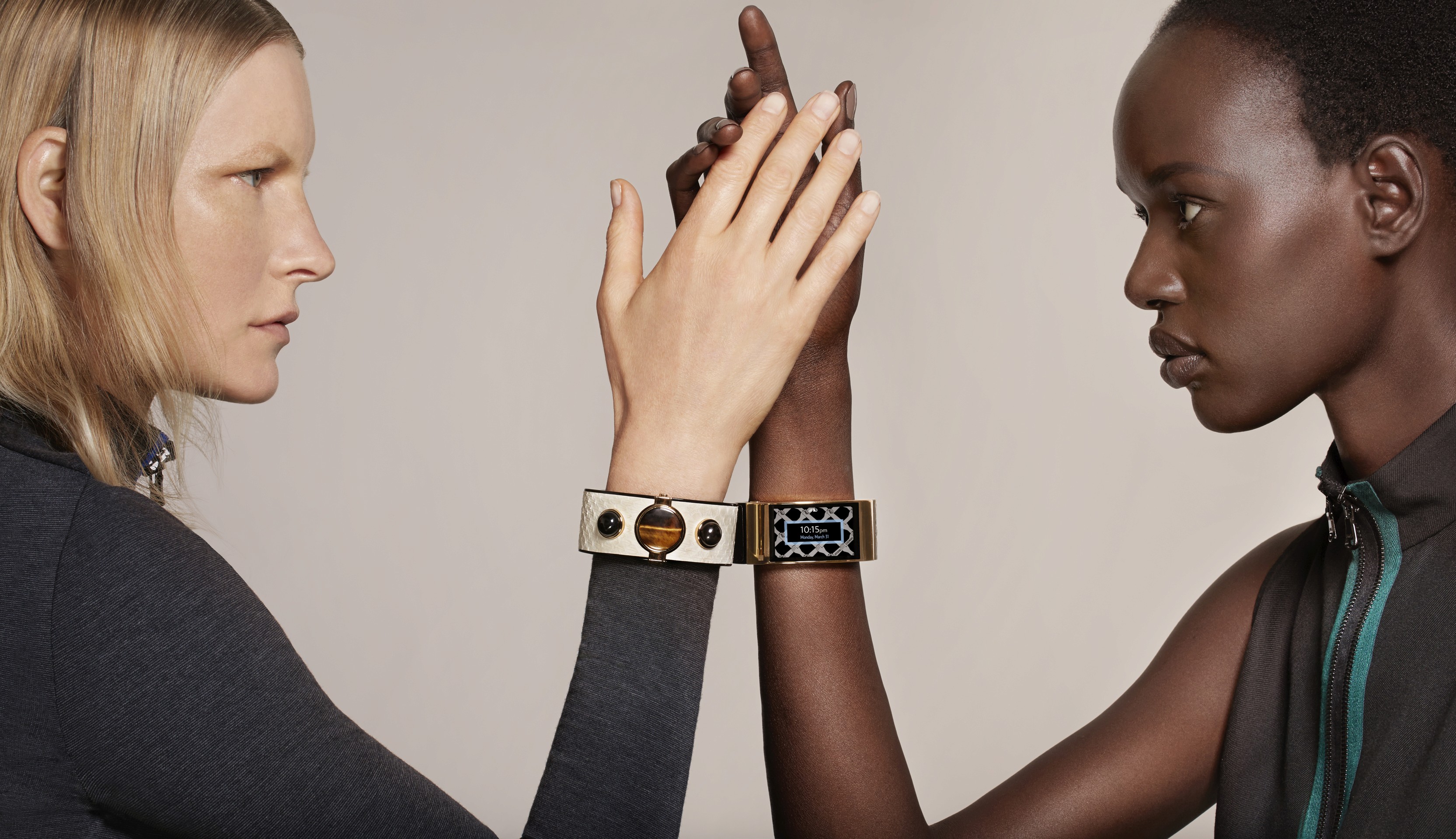
Rebooting wearables from tech-first to fashion forward accessory
MICA was a category-first, sparking the beginning of a fashion-forward era of wearables that continues today. With its strong press coverage including Collier Schorr’s photography, and cultural moments like Rashida Jones starring in the promotional video, the conversation around MICA later led to the Hermès editions of the Apple Watch and the rise of devices like the Oura Ring.
Impact
Refined strategic target, invented new ways to interact, and prioritized the feature set to produce an MVP in less than 6 months.
Numerous design patents and product entered into the Intel Museum
MVP and strategic target definition lead to Opening Ceremony partnership and later Fossil Watches
Creation of Intel New Devices Group
Ready to make a leap in wearable computing?
Project
Year
For
Intel
Role
With
Ziba Design — Jan Barth, In Baek, Wibke Fleischer, Megan Balich, Michael Etter, Anton Legoo, Chris Trahey, in collaboration with Aaren Esplin, Andy Idsigna, Kate Niedermeyer, and Mark Francis (26 members total)
Additional Projects